Search
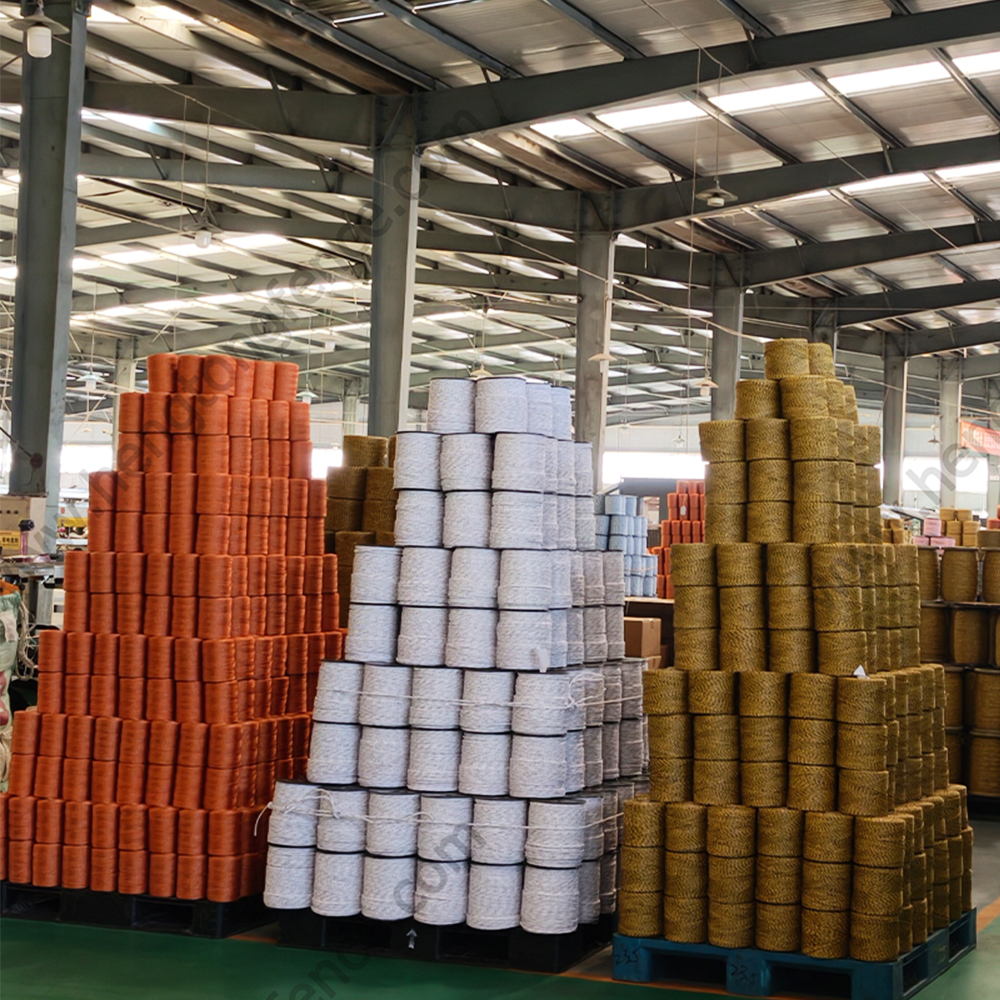
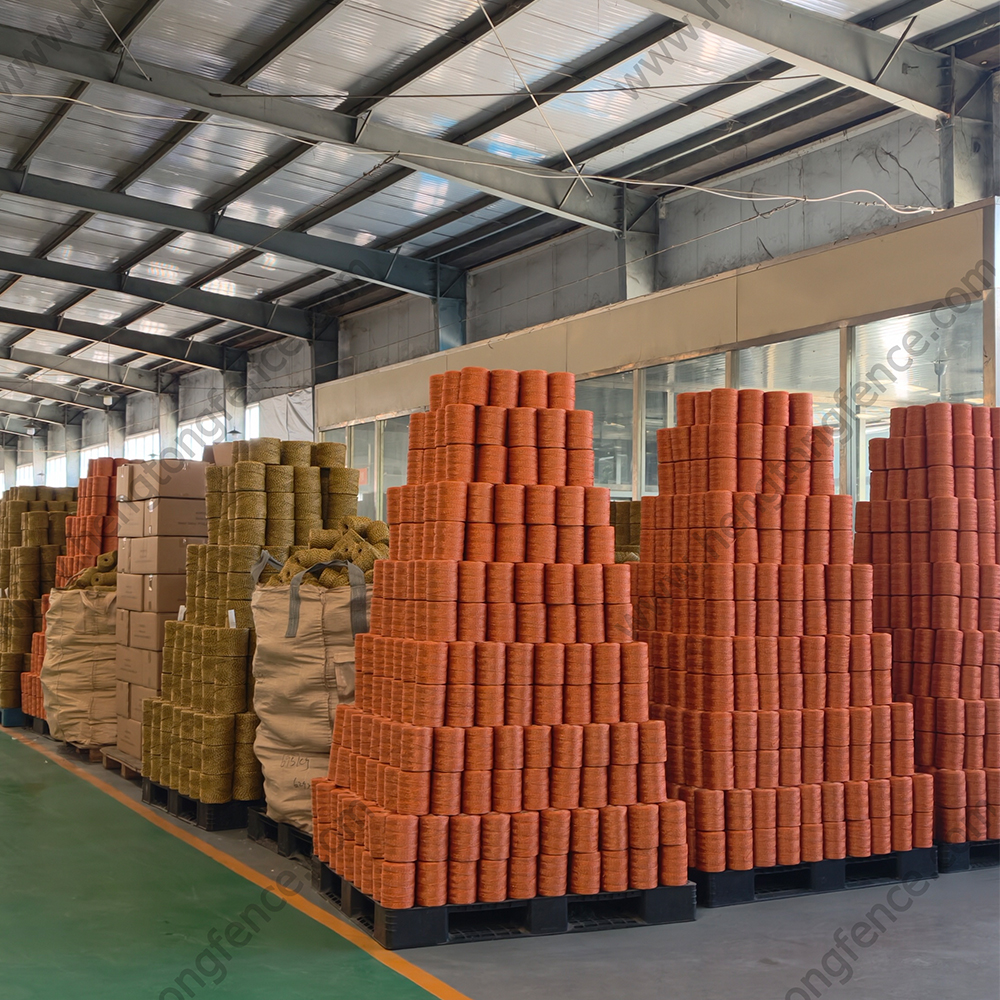
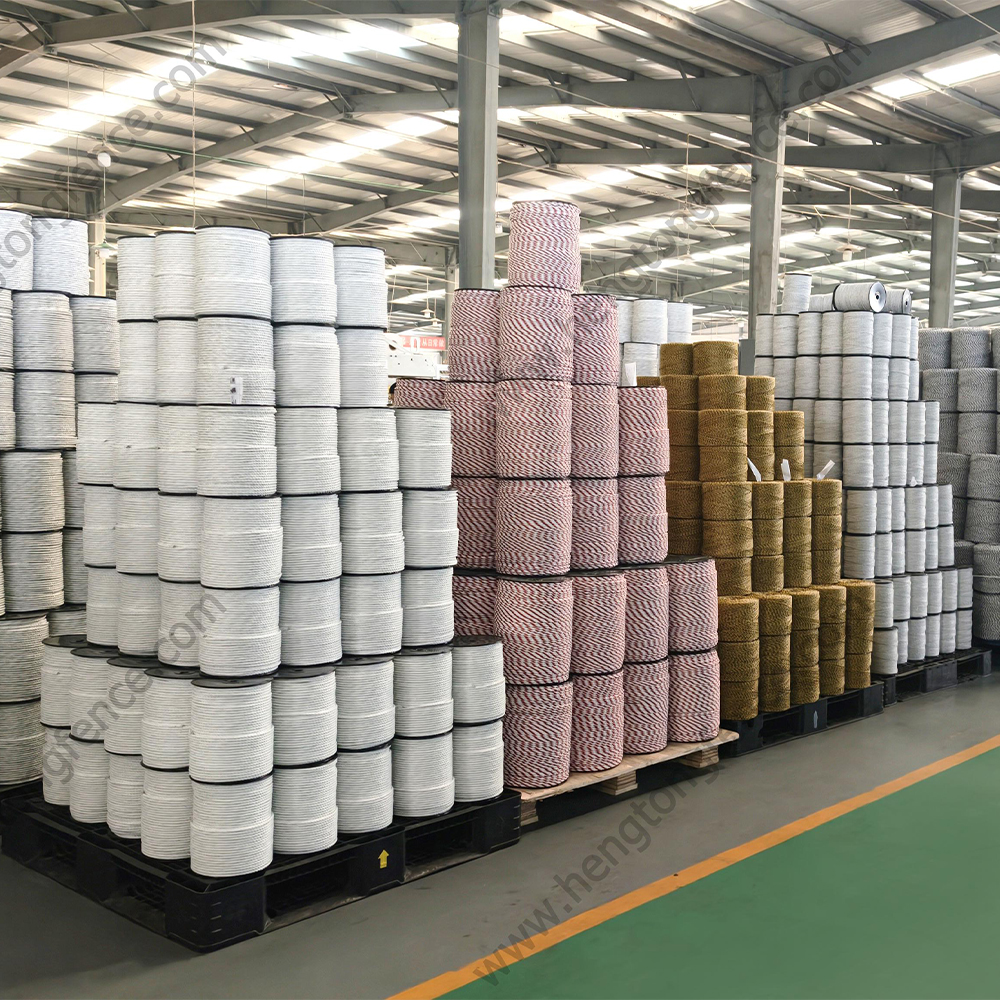
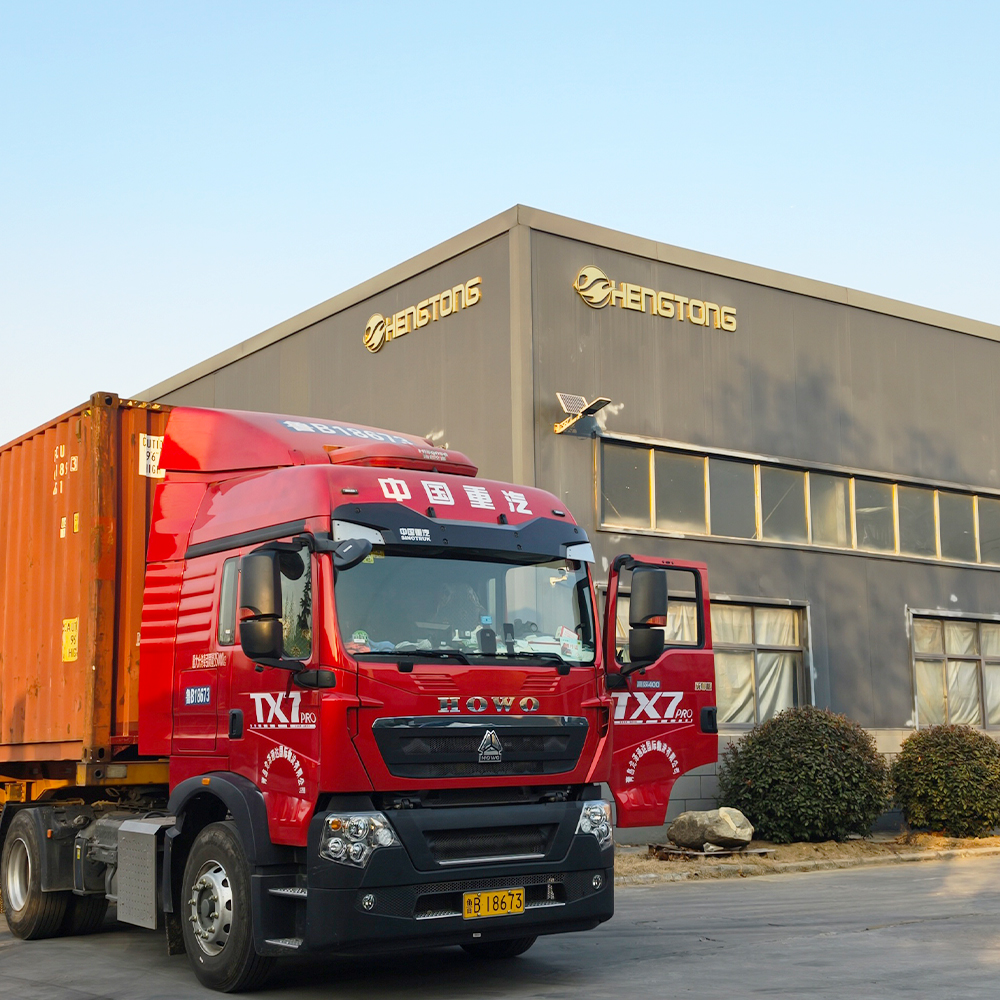
Many electric fence distributors and wholesalers prefer to work directly with a real manufacturer rather than a trading company. Direct cooperation with a factory can often mean more competitive pricing, clearer communication about product specifications, stronger OEM customization capabilities, and more reliable control over production schedules and quality. However, when sourcing online, it is not always easy to tell whether a supplier is a genuine manufacturer or simply a company reselling products from other factories. So how can buyers verify that they are truly working with an electric fence factory? Looking beyond product photos and quotations, there are several practical signs to check — including real production equipment, active production lines, different manufacturing areas, finished bulk orders, quality inspection processes, and continuous shipments to customers around the world.
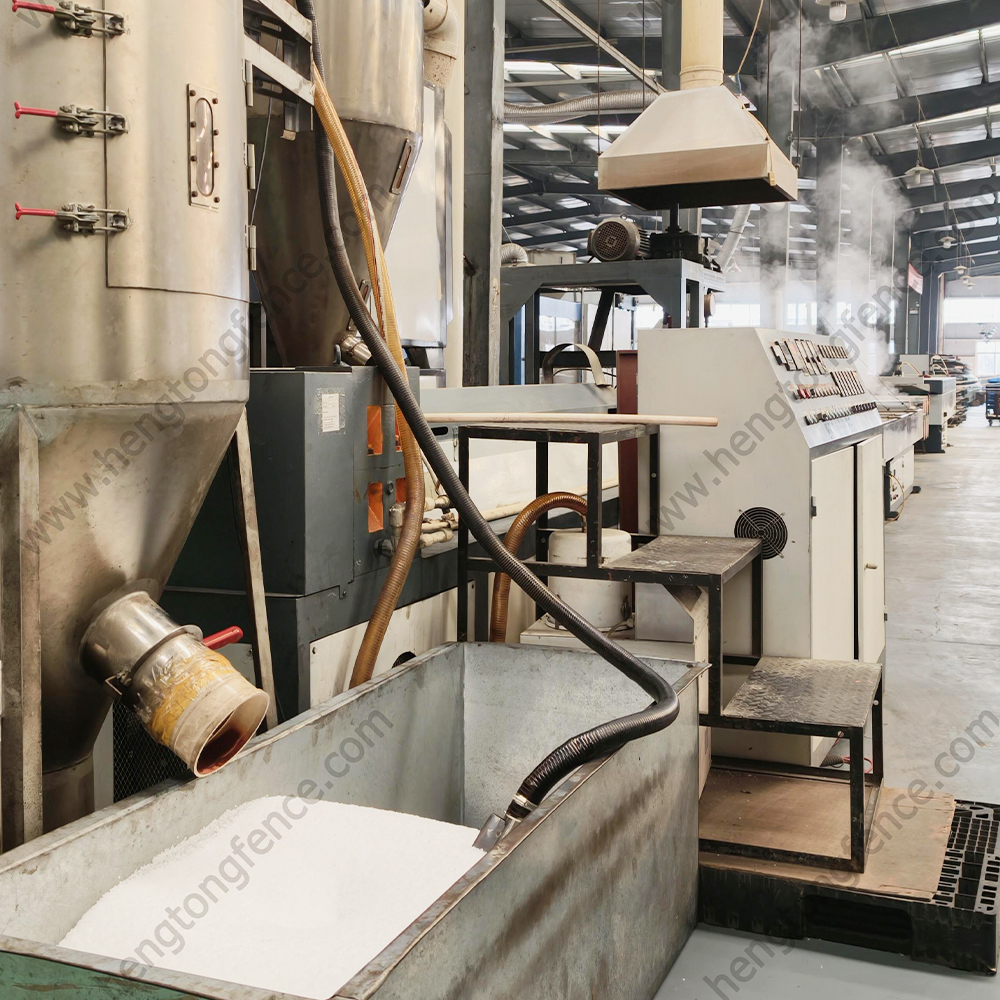
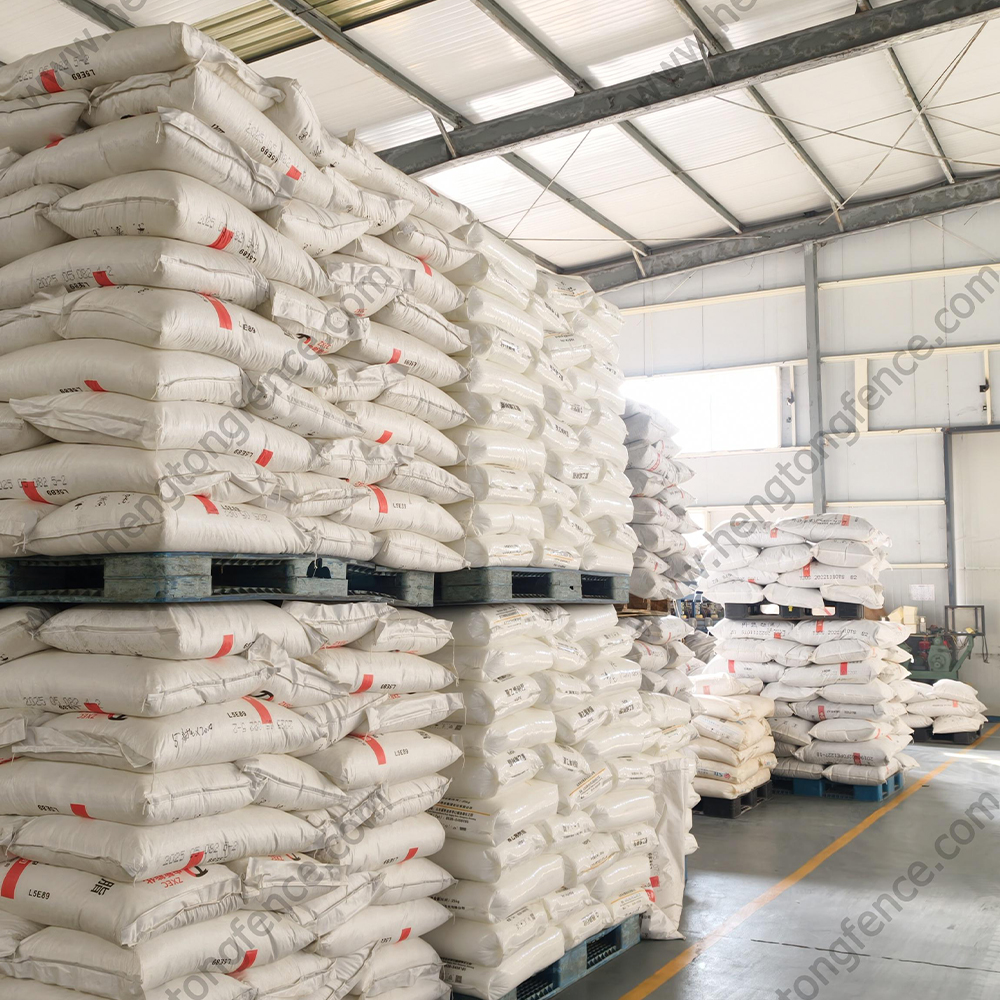
This is our raw material processing and filament drawing area, where plastic raw materials are processed into the base filaments used for electric fence products such as polywire, polyrope and polytape.
The raw materials are fed into the production line, heated, extruded and drawn into continuous filaments with controlled thickness and consistency. These filaments then become the structural material used in the following twisting, braiding and weaving processes.
By controlling the filament quality from the beginning of production, we can better maintain consistent diameter, strength, color and finished-product appearance across bulk orders. Different materials, colors and formulations can also be prepared according to the requirements of different electric fence products and markets.
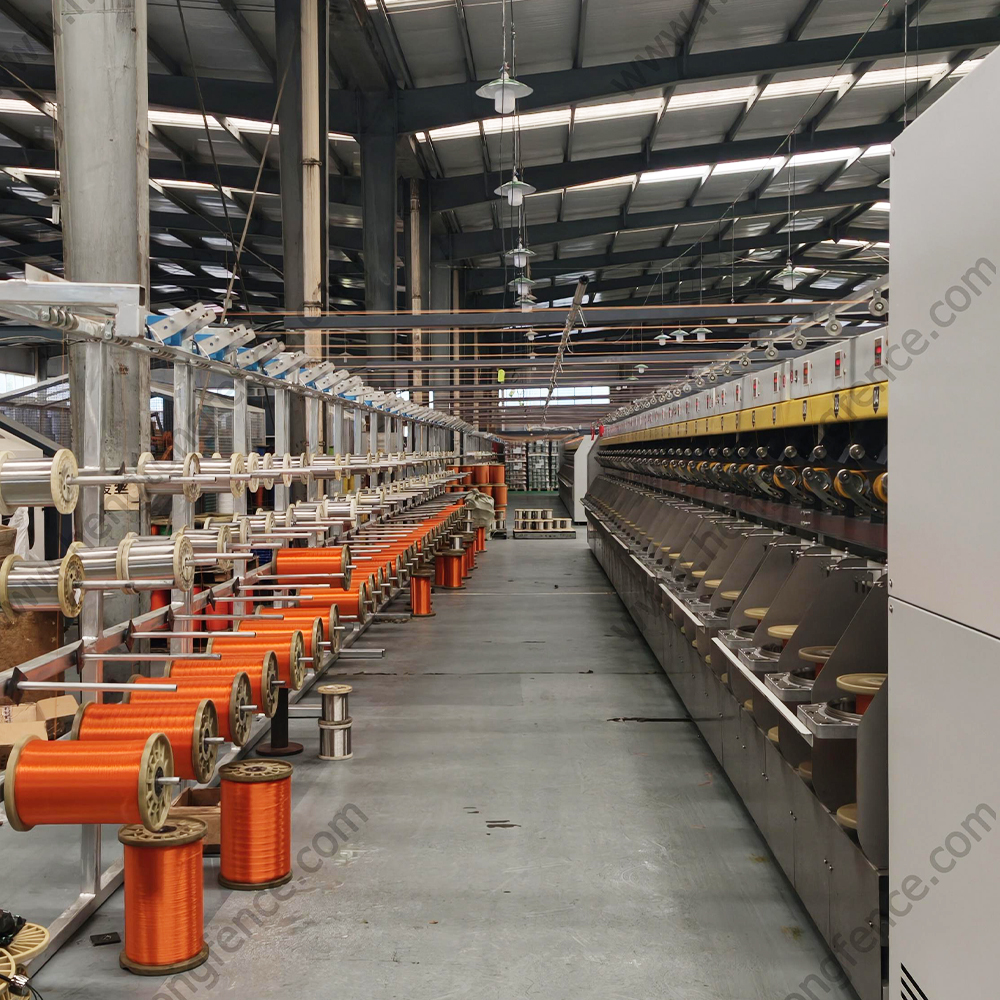
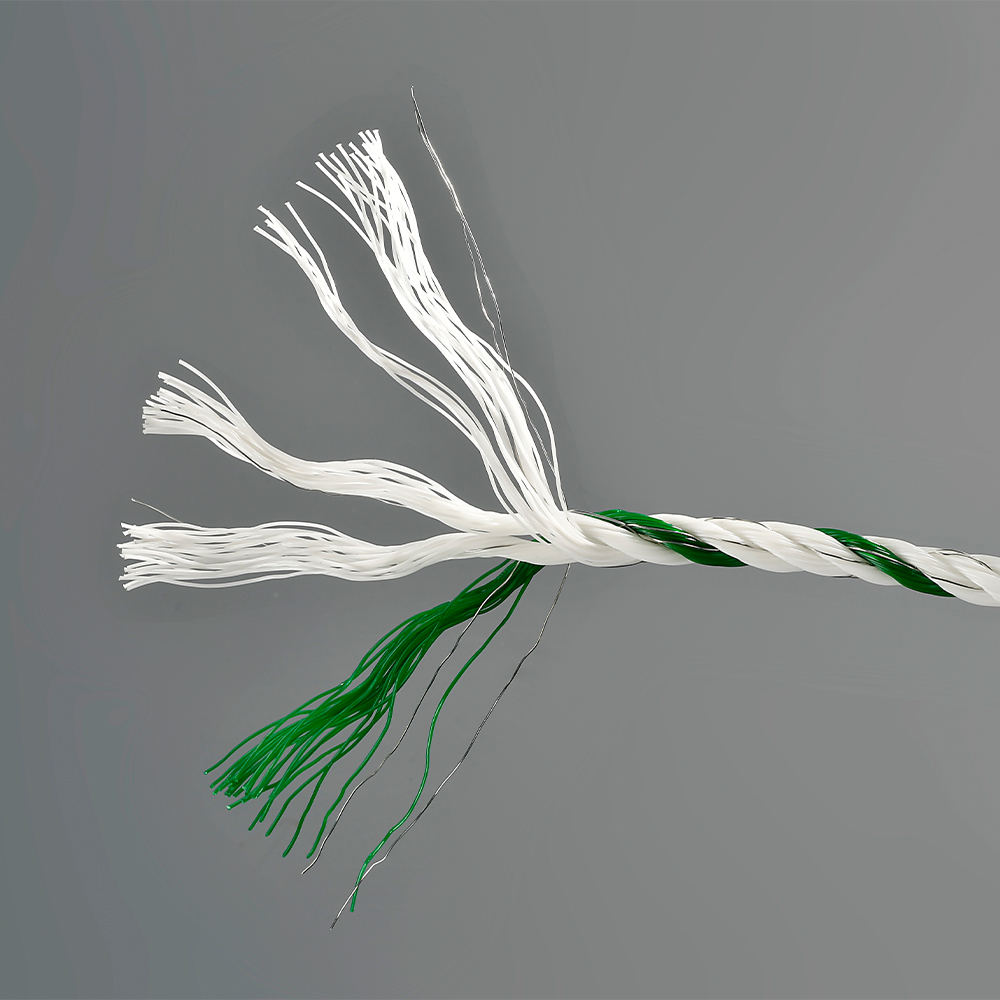
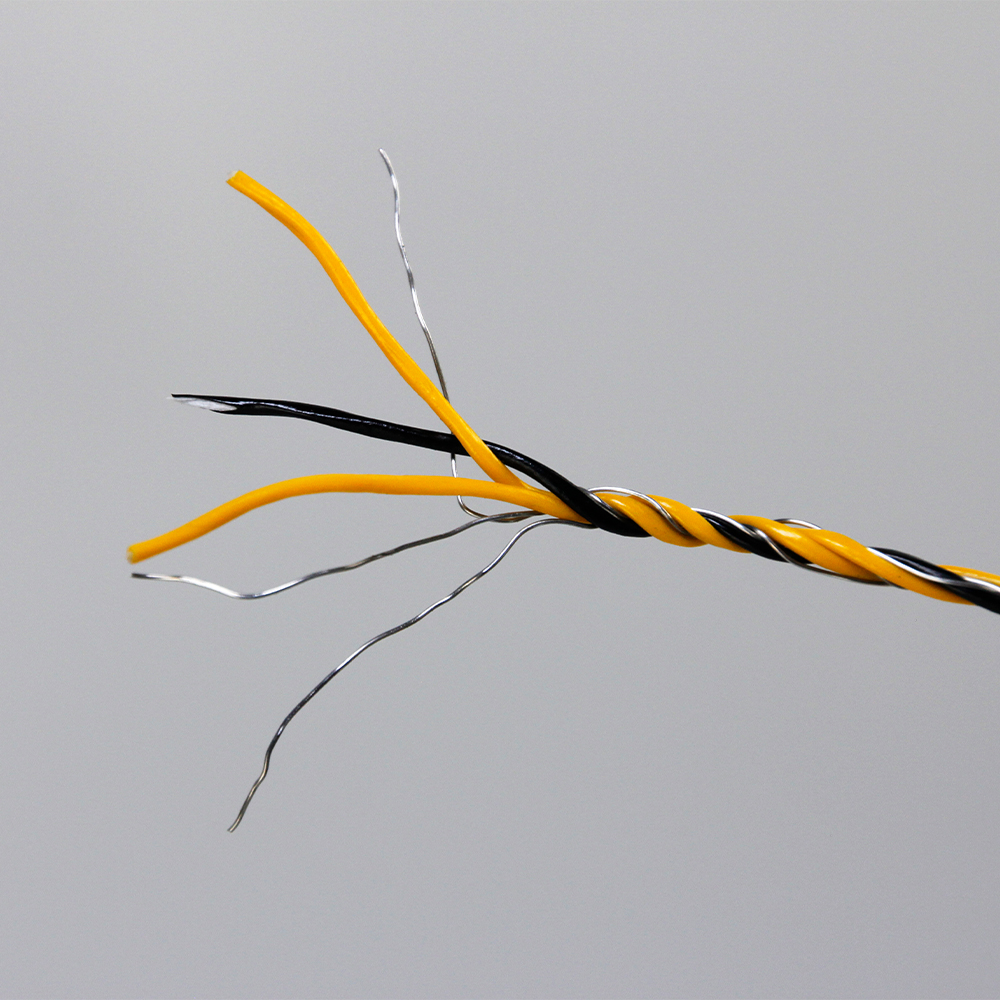
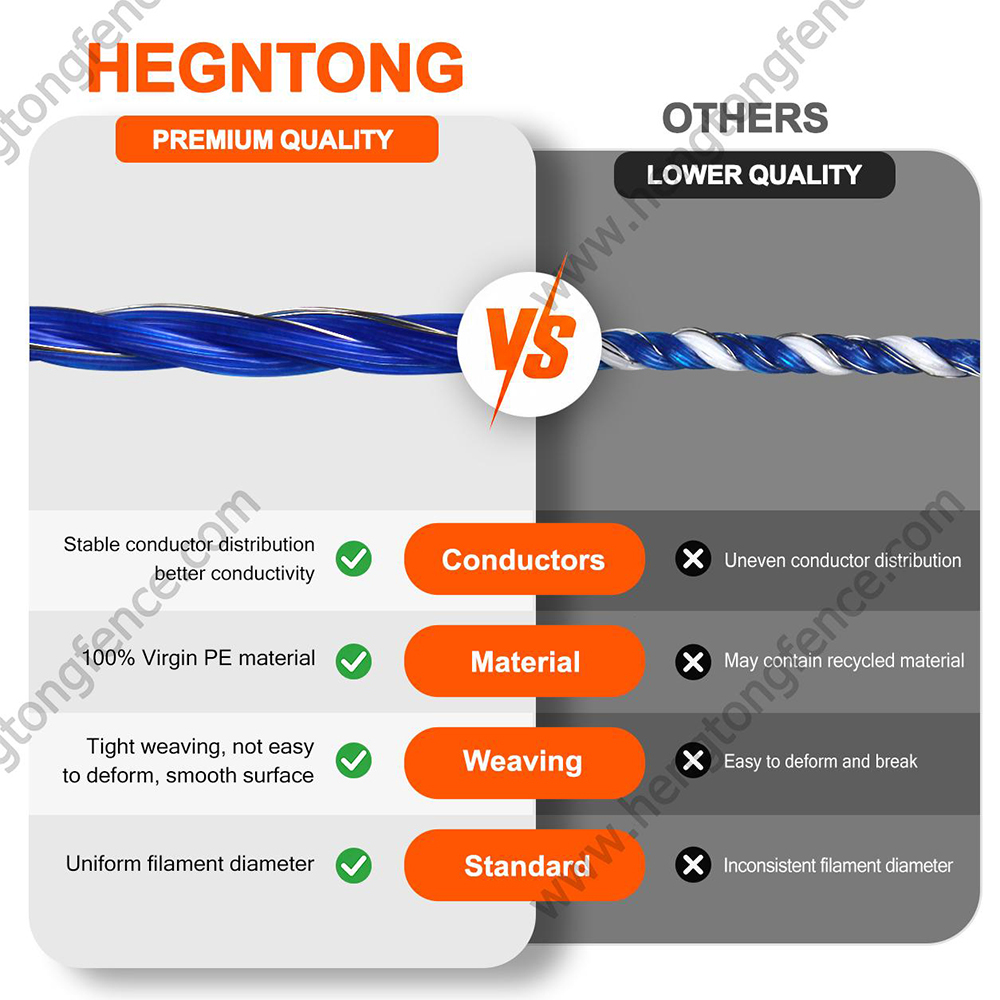
This is our twisting machine area, mainly used for the production of electric fence polywire. Multiple twisting machines can operate at the same time, combining plastic filaments with conductive wires to form finished electric fence wire with a stable structure and consistent conductor distribution.
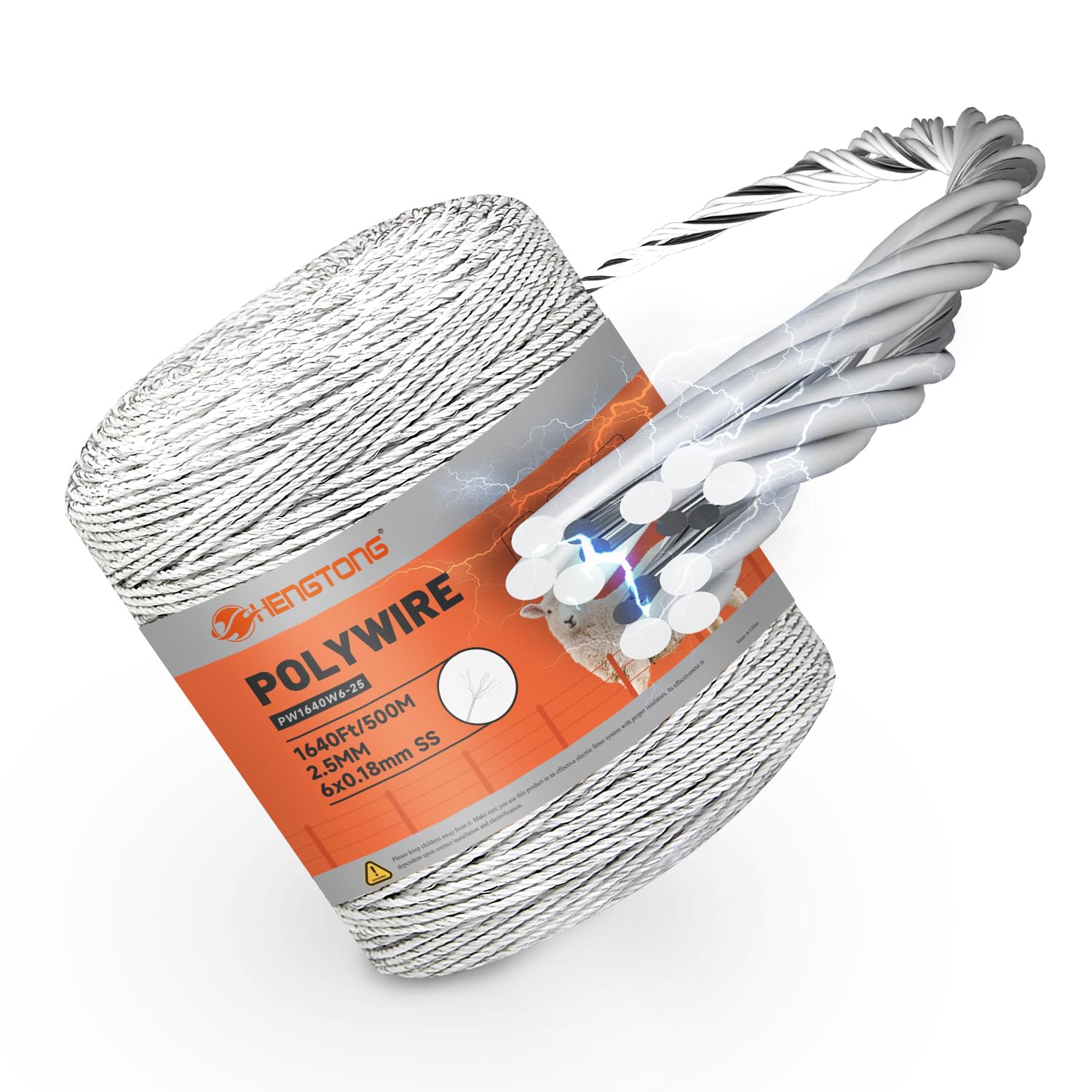
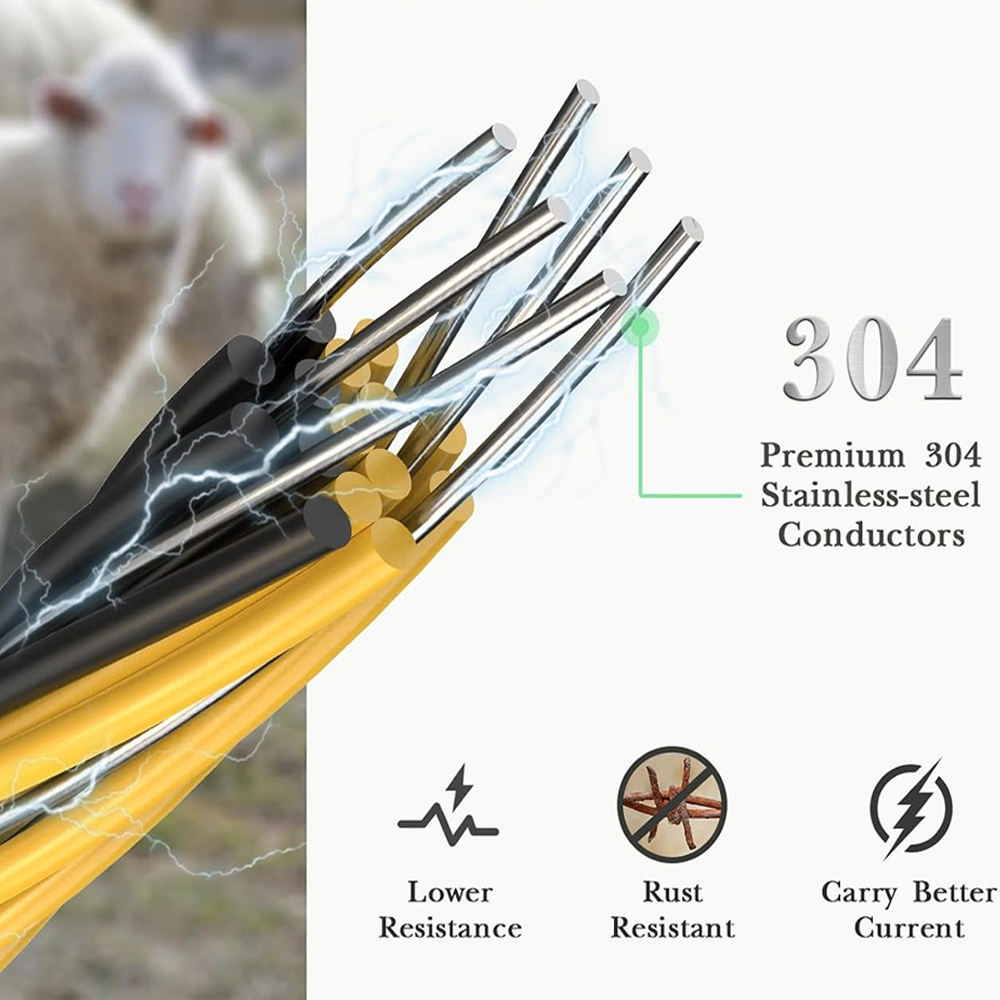
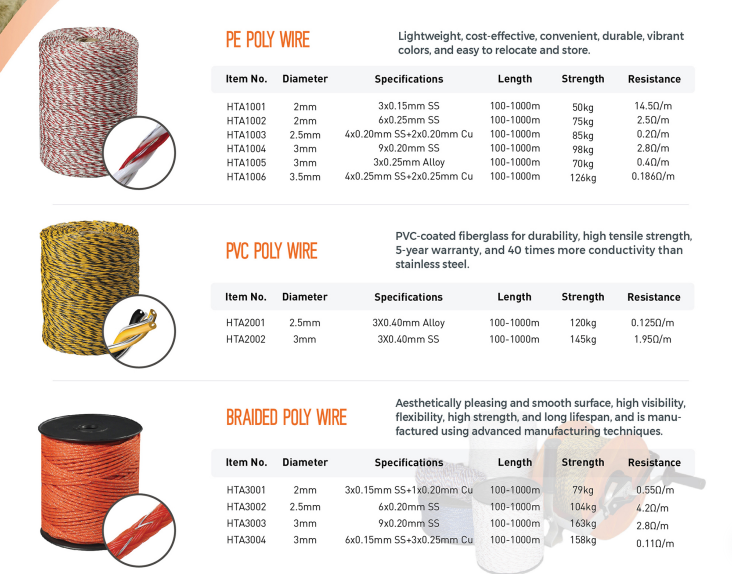
In this area, we can produce polywire with different colors, diameters, conductor quantities, conductor materials and roll lengths. According to our product range, conductor options include stainless steel and copper, with configurations such as 3×0.15mm SS, 6×0.15mm SS, 3×0.15mm Cu + 3×0.15mm SS, 4×0.30mm Cu, and 3×0.20mm Cu + 3×0.20mm SS. Common roll lengths include 200m, 400m and 500m.
The twisting process helps maintain consistent wire diameter, conductor distribution, appearance and electrical performance, while different machine settings allow us to produce multiple specifications for cattle, sheep and other livestock fencing markets.
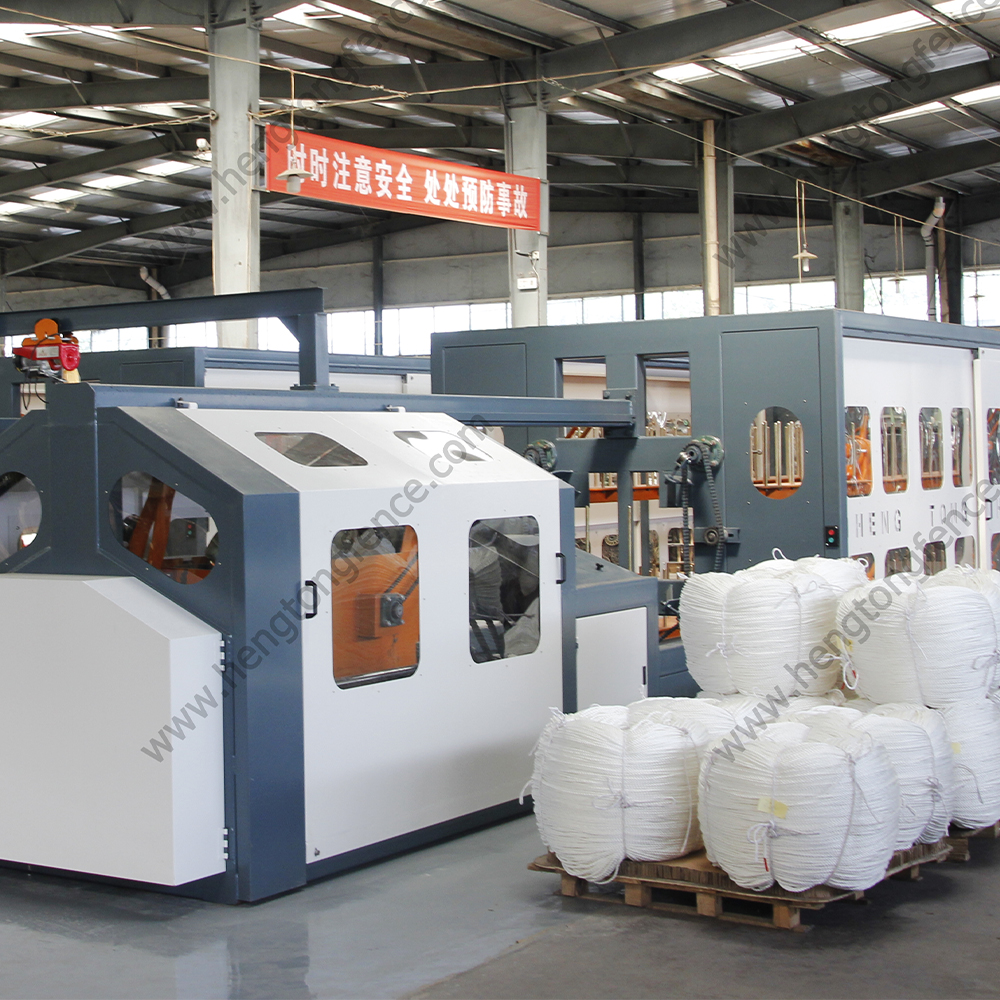
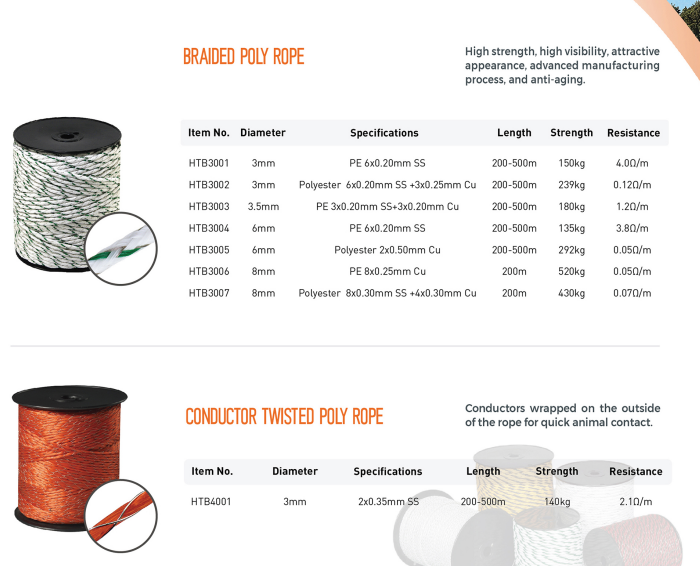
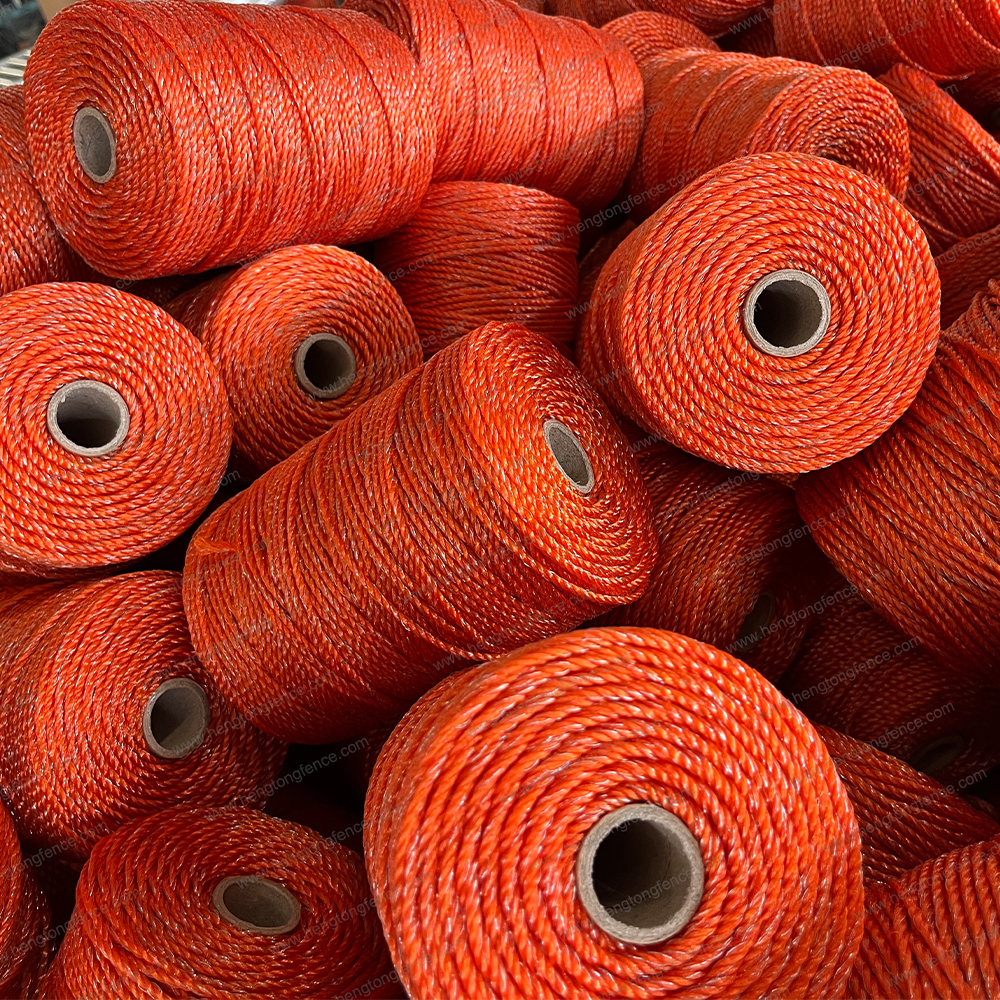
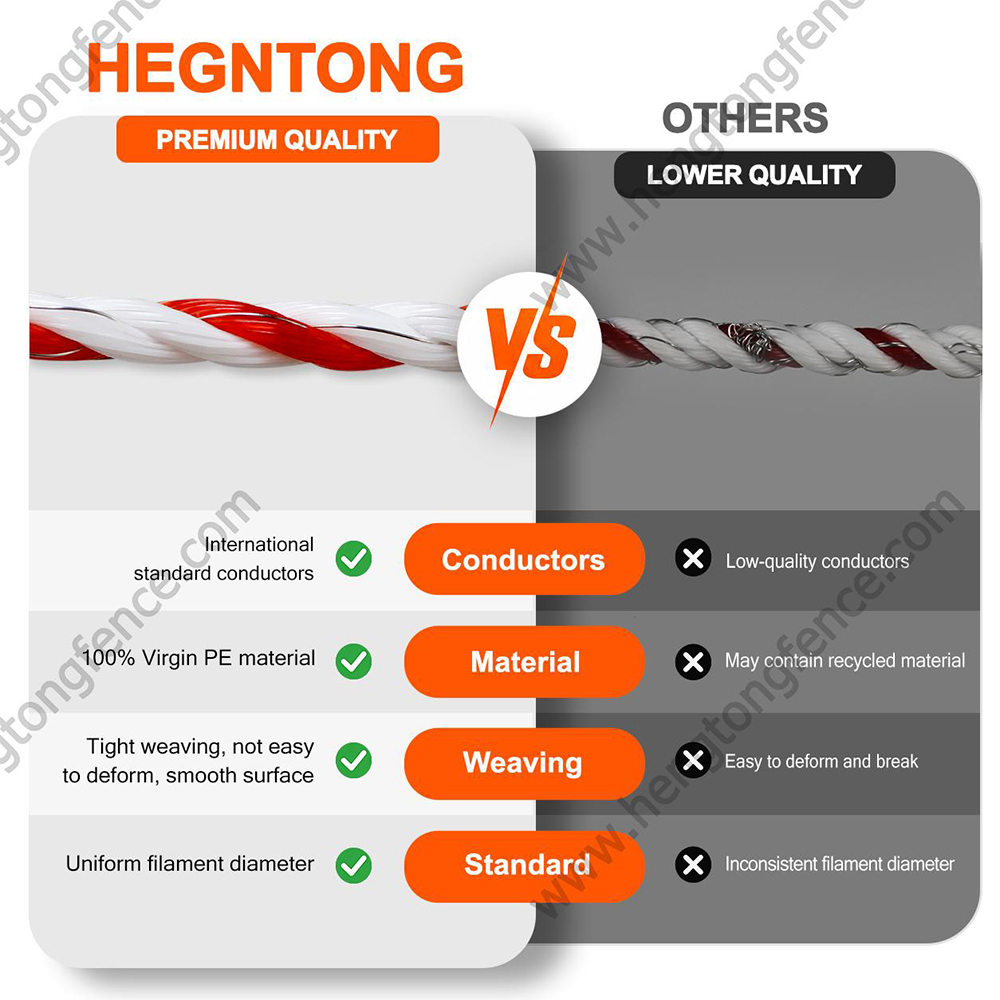
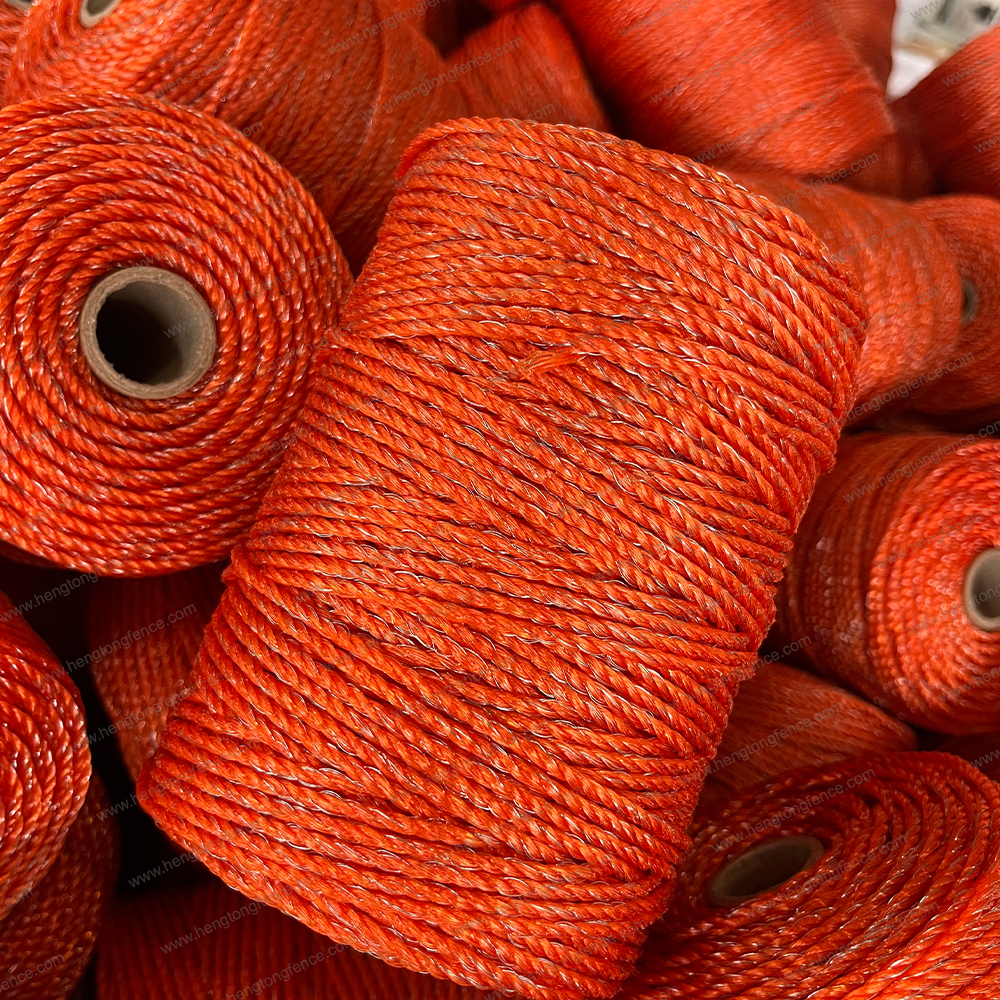
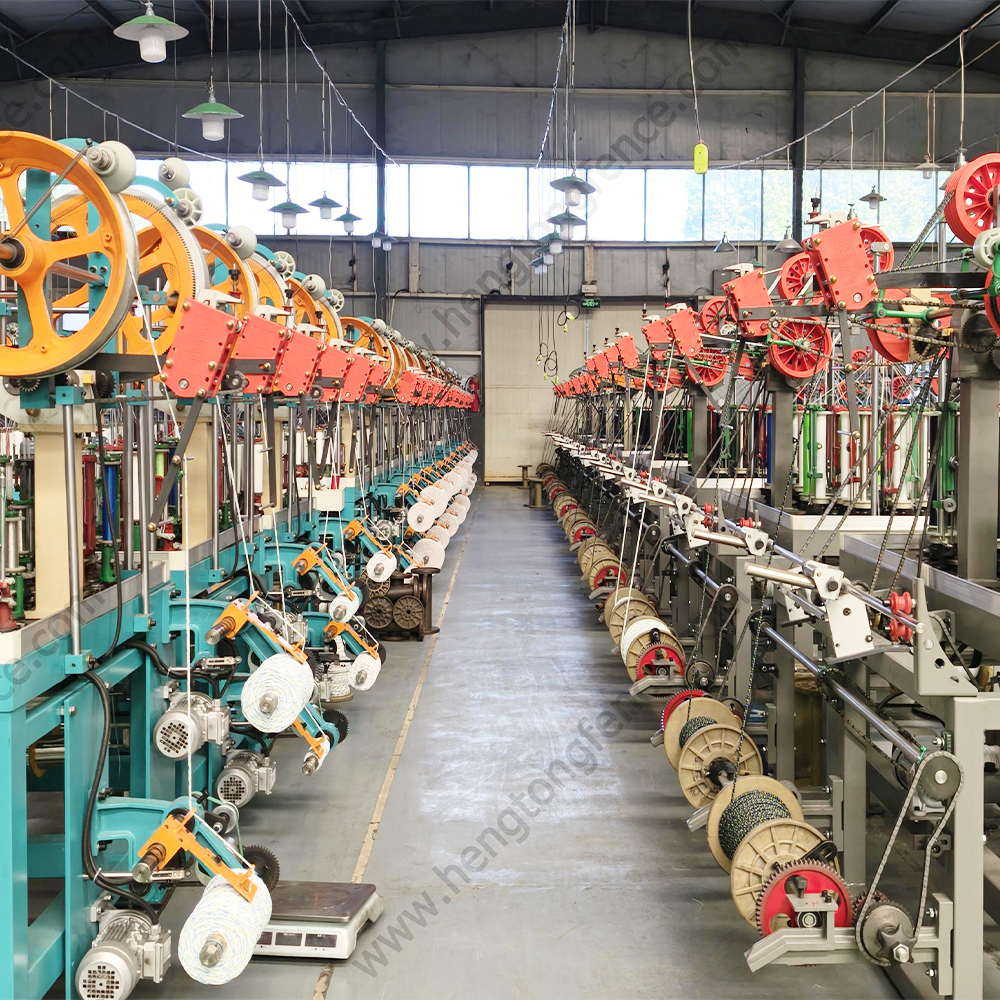
This is one of our rope-making machines, used to form the base rope structure for electric fence polyrope production. Plastic yarn is processed continuously through the machine to create a stable and uniform rope body before entering the following production processes.
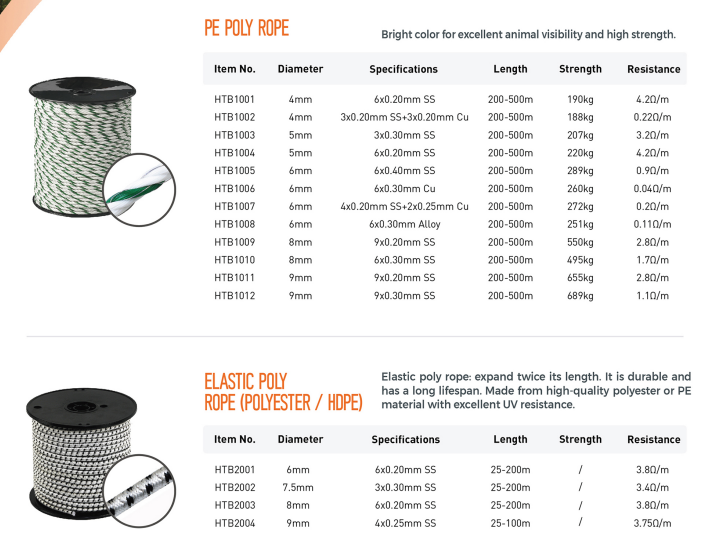
Our polyrope range includes common diameters such as 4mm, 6mm and 8mm, with different colors and lengths available for different livestock fencing applications.
The rope-making process helps maintain consistent diameter, structure and strength, providing a stable foundation for subsequent braiding and conductor integration.
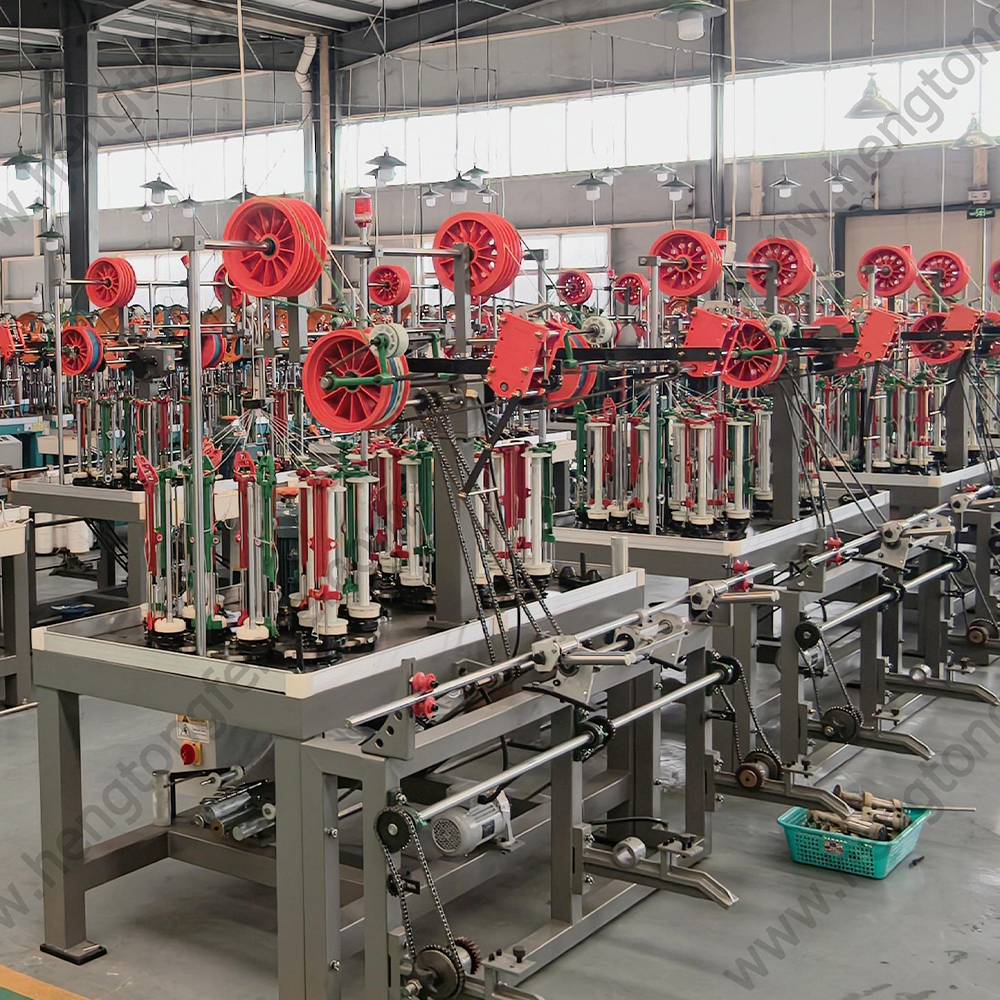
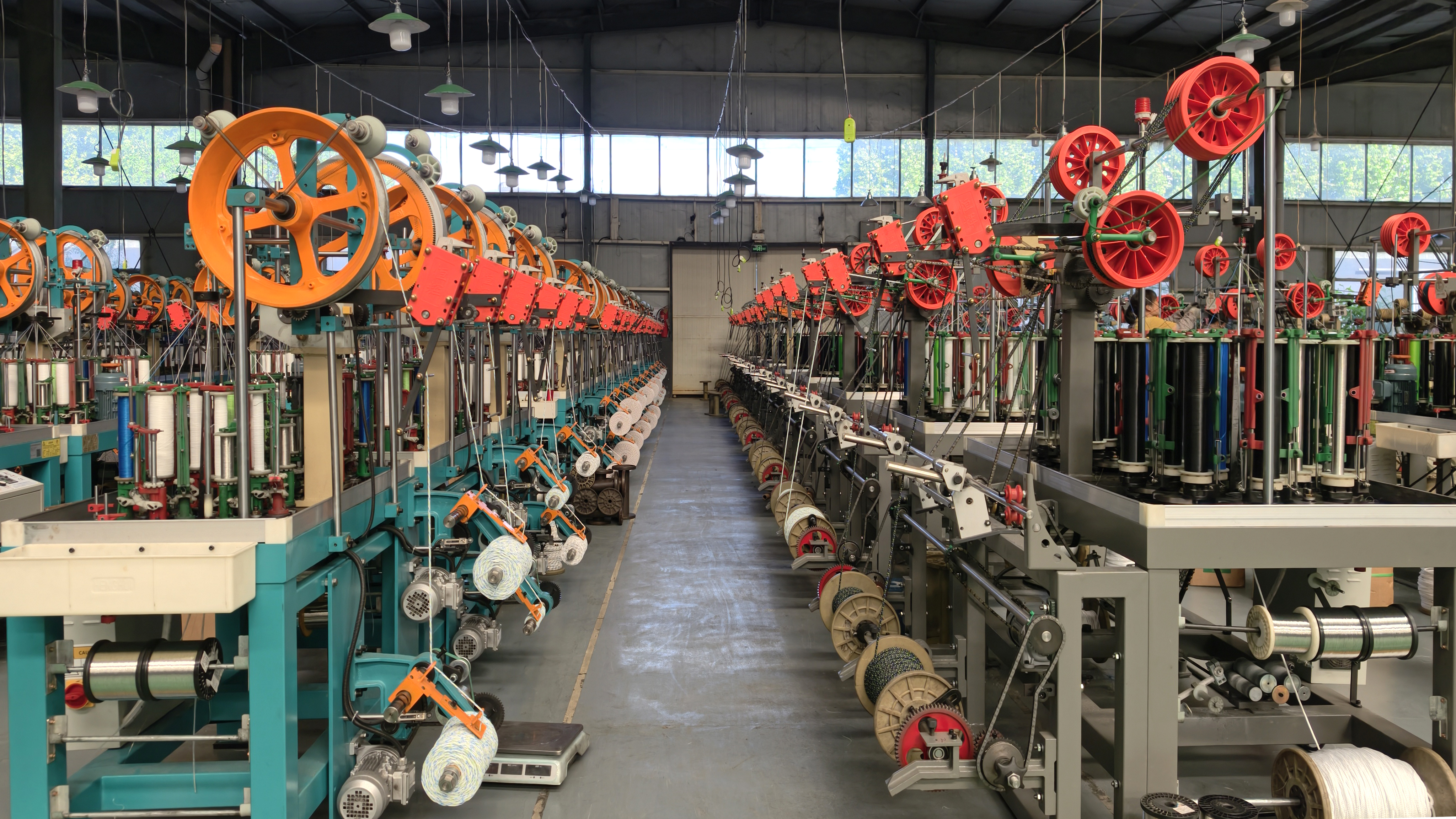
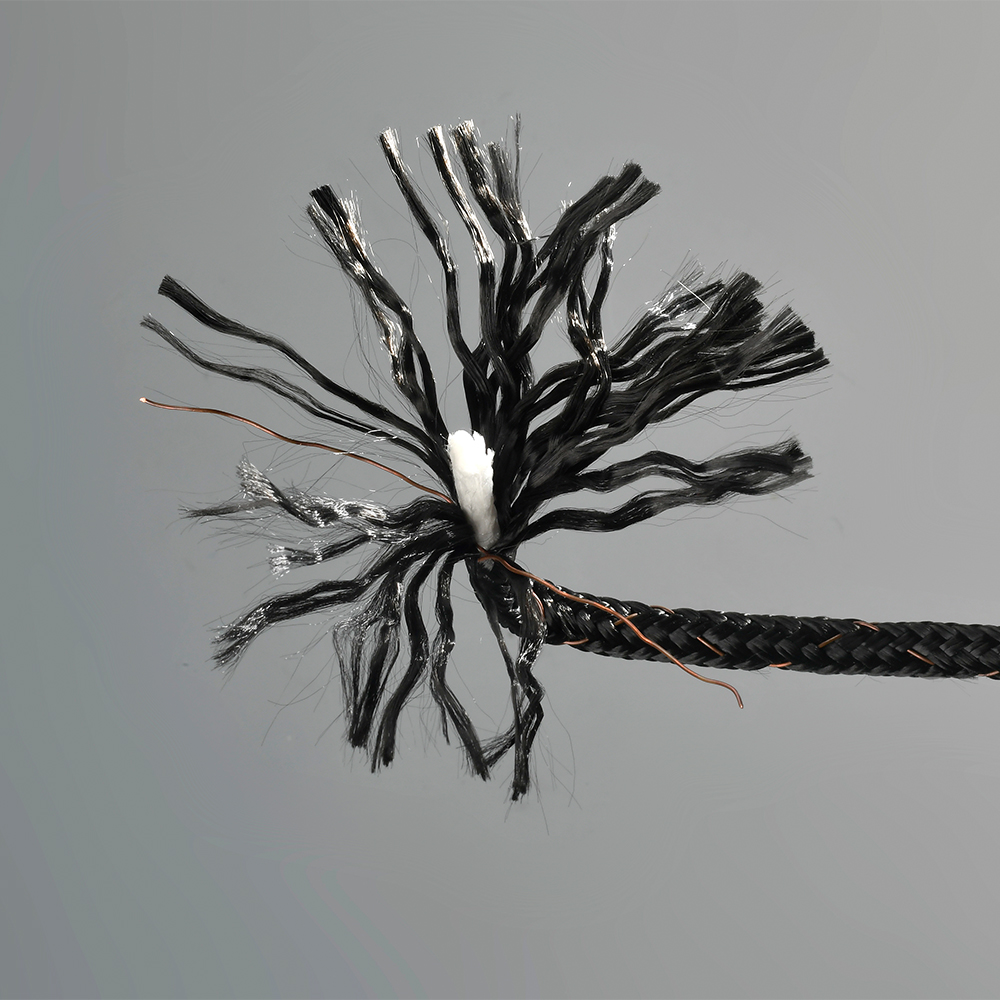
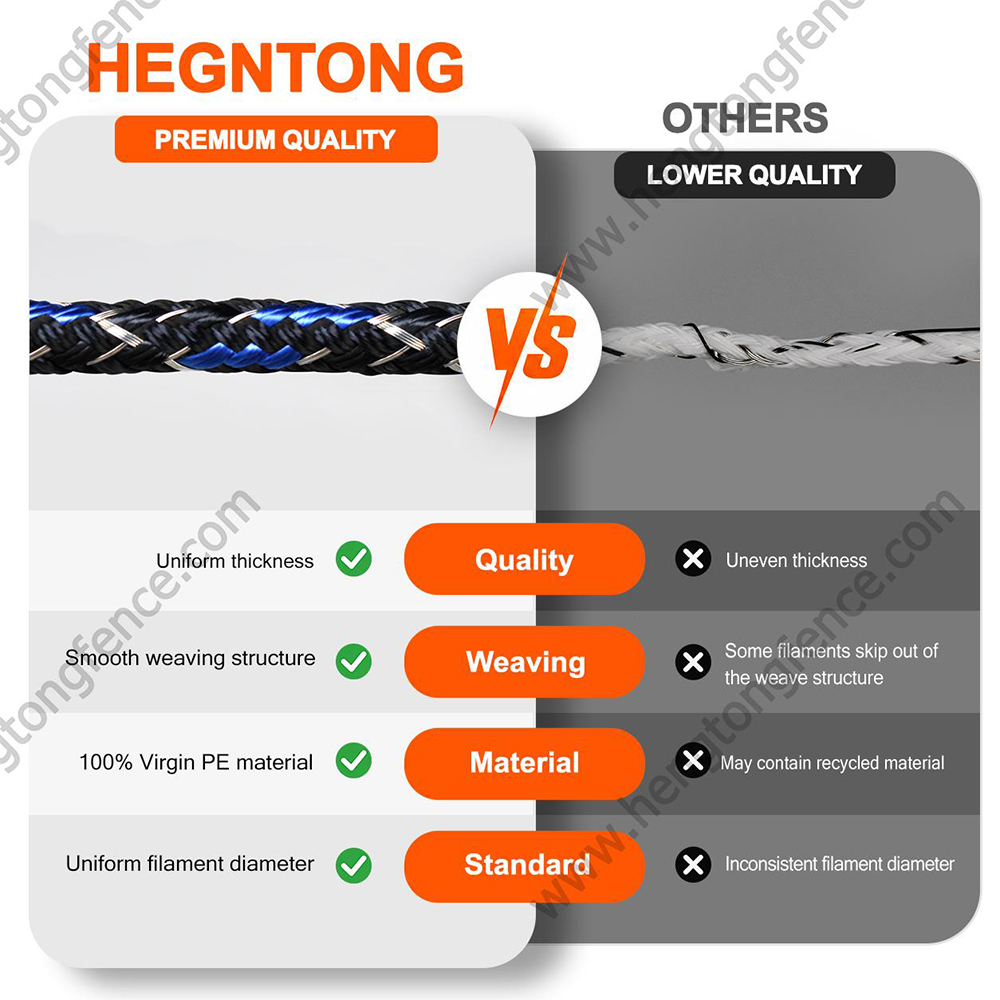
This is our braiding area, where multiple braiding machines operate simultaneously to produce different types of electric fence polyrope. Compared with polywire, polyrope has a thicker braided structure, providing greater visibility and mechanical strength, making it suitable for livestock fencing applications such as cattle and horse management.
In this area, we can produce polyrope in different diameters, colors, conductor configurations and roll lengths. Depending on the required conductivity and market positioning, the rope can be manufactured with stainless steel conductors, copper conductors, or mixed conductor combinations. Our product range includes several rope diameters and conductor options to meet different resistance, tensile strength and application requirements.
For OEM projects, customers can also customize rope color, diameter, conductor quantity, conductor material, roll length and packaging, allowing distributors to build different product levels for their own markets.
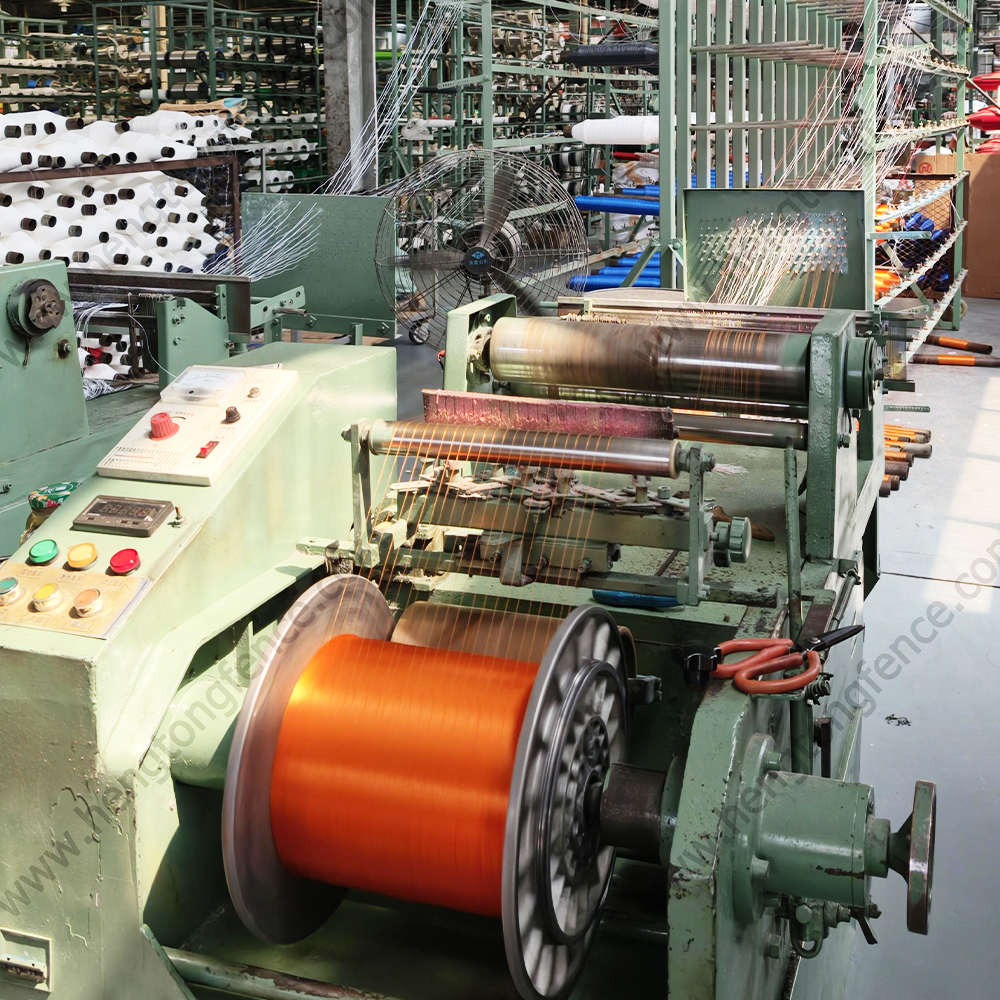
This is our pre-weaving area, where the yarns and conductive wires are prepared and arranged before entering the polytape weaving machines.
At this stage, multiple strands are guided through the equipment, aligned in the required order and kept under controlled tension. The conductor position, yarn distribution and color arrangement are prepared according to each product specification before the actual weaving process begins.
This preparation step is important for maintaining consistent tape width, conductor distribution, weaving structure and surface appearance. Different orders may require different tape colors, widths and conductor combinations, so the pre-weaving setup is adjusted according to the specification being produced.
After preparation, the arranged yarns and conductors move to the weaving area, where they are woven into finished electric fence polytape.
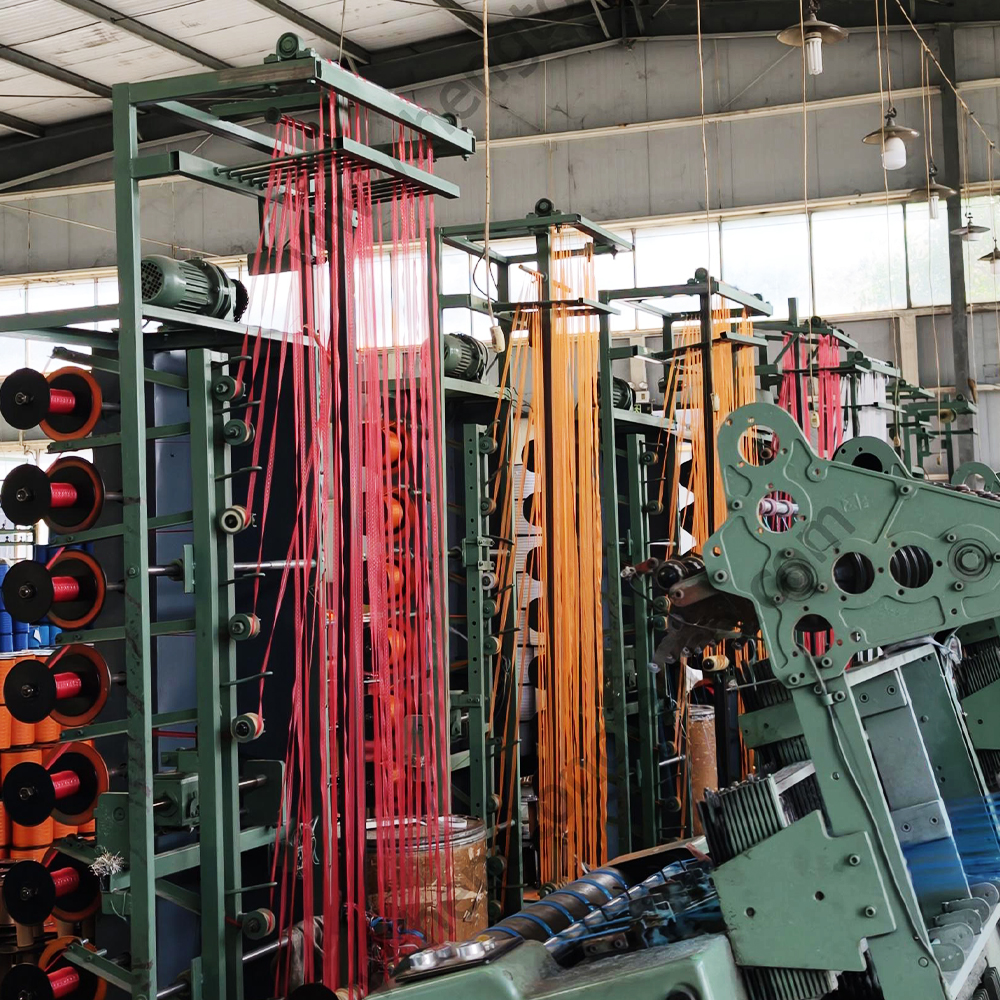
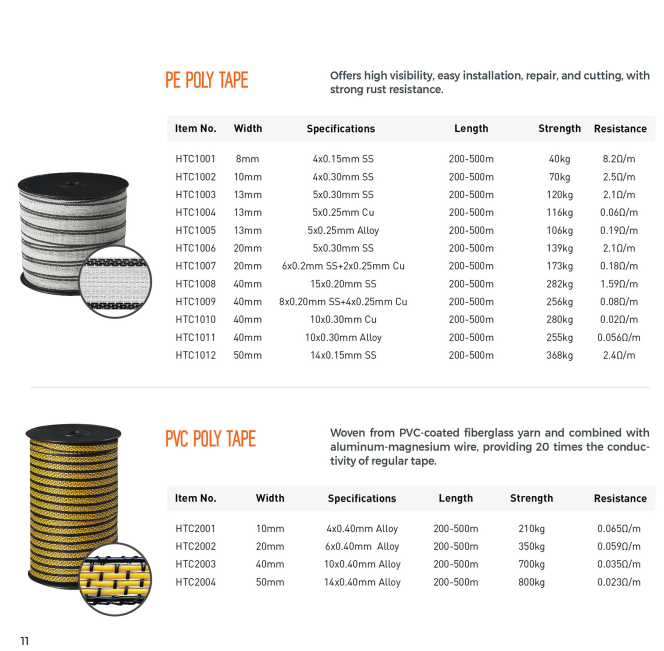
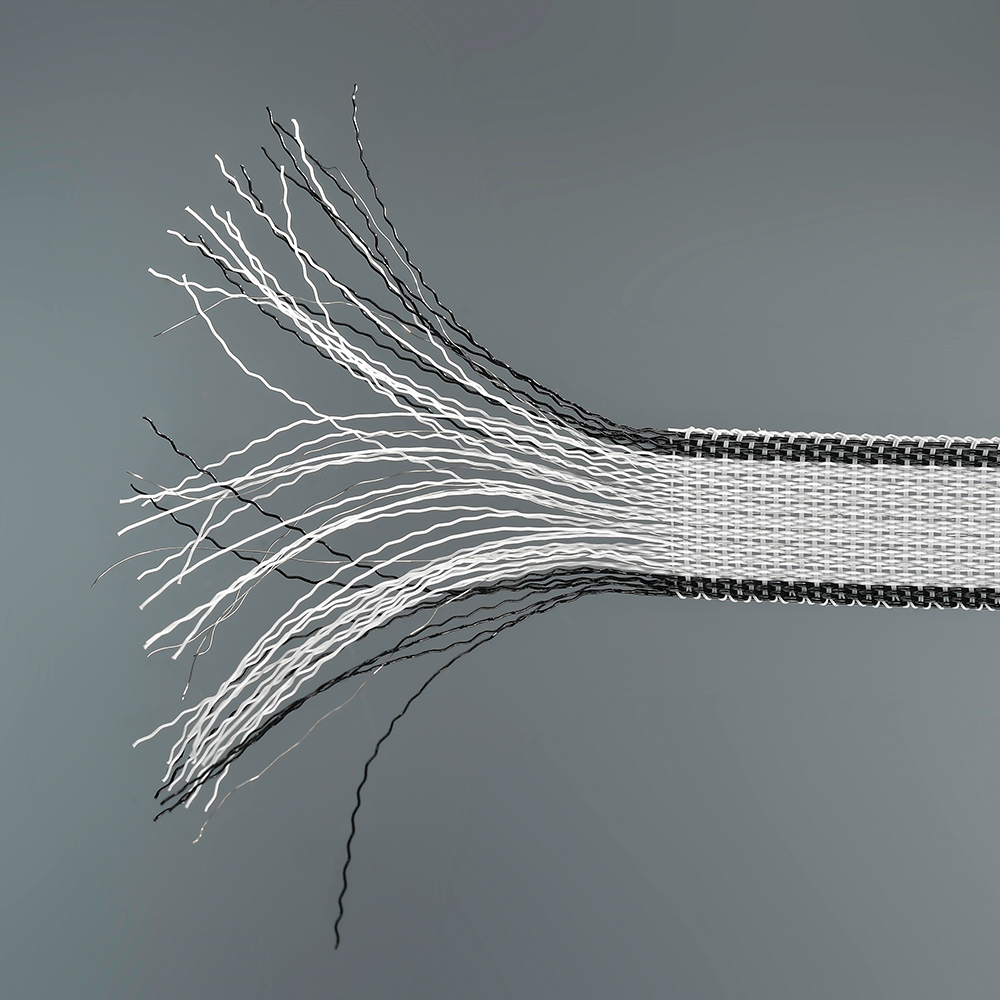
This is our polytape weaving area, mainly used to produce different types of electric fence tape. Polytape is one of our best-selling product categories and is widely used for horse paddocks, grazing management and livestock fencing. Its wide, flat structure provides better visibility than thinner fence lines, making it especially suitable for applications where animals need to recognize the fence easily.
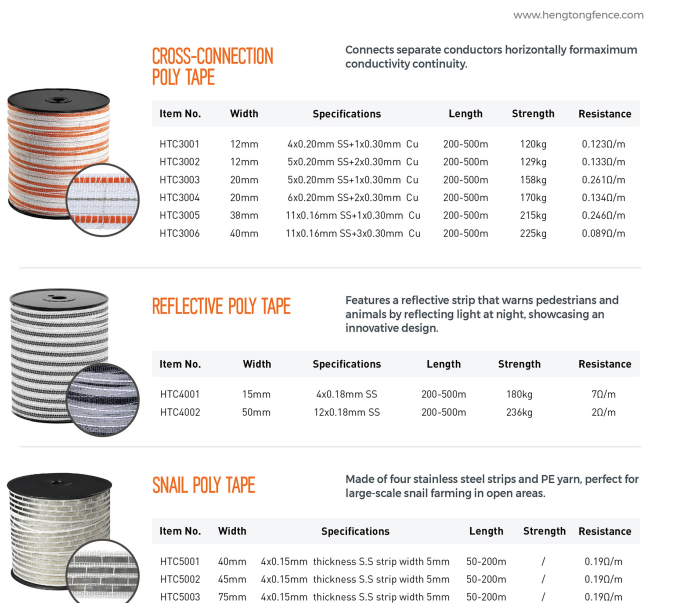
Our current product range includes PE Polytape, PVC Polytape, Cross-Connection Polytape, Reflective Polytape and Snail Polytape. According to our catalog, we can manufacture tape from 8mm up to 75mm wide, using PE, PVC or polyester-based materials. Standard PE polytape includes widths such as 8mm, 10mm, 13mm, 20mm, 40mm and 50mm, while PVC tape is available in 10mm, 20mm, 40mm and 50mm. We also produce 12–40mm Cross-Connection Tape, 15mm and 50mm Reflective Tape, and 40mm, 45mm and 75mm Snail Tape.
Different conductor configurations are available according to the required conductivity and market positioning. Our catalog includes stainless steel, copper and alloy conductors, with conductor diameters generally ranging from 0.15mm to 0.40mm and configurations from 4 to 15 conductors. Examples include 4×0.15mm SS, 6×0.20mm SS + 2×0.25mm Cu, 8×0.20mm SS + 4×0.25mm Cu, 10×0.30mm Cu and 14×0.40mm Alloy. Most standard polytape specifications are supplied in 200–500m rolls, while other lengths can also be produced depending on the product type and customization requirements.
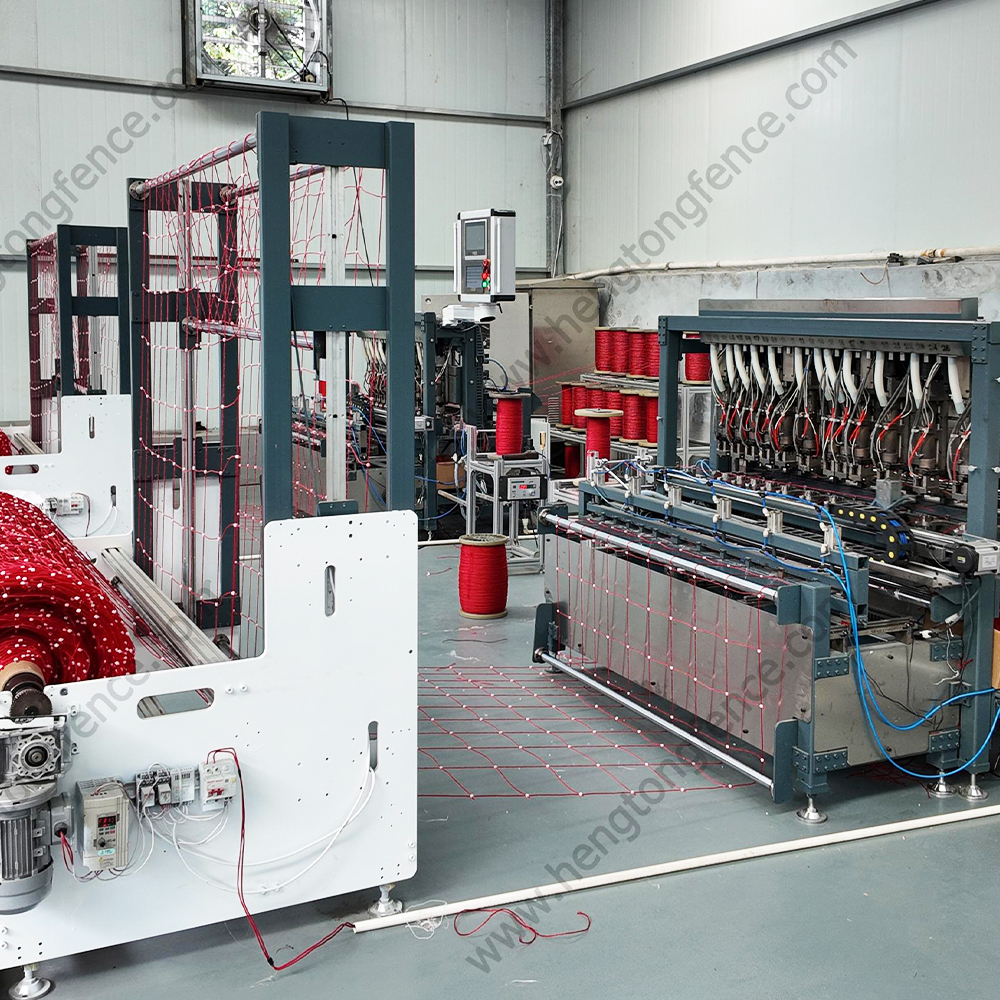
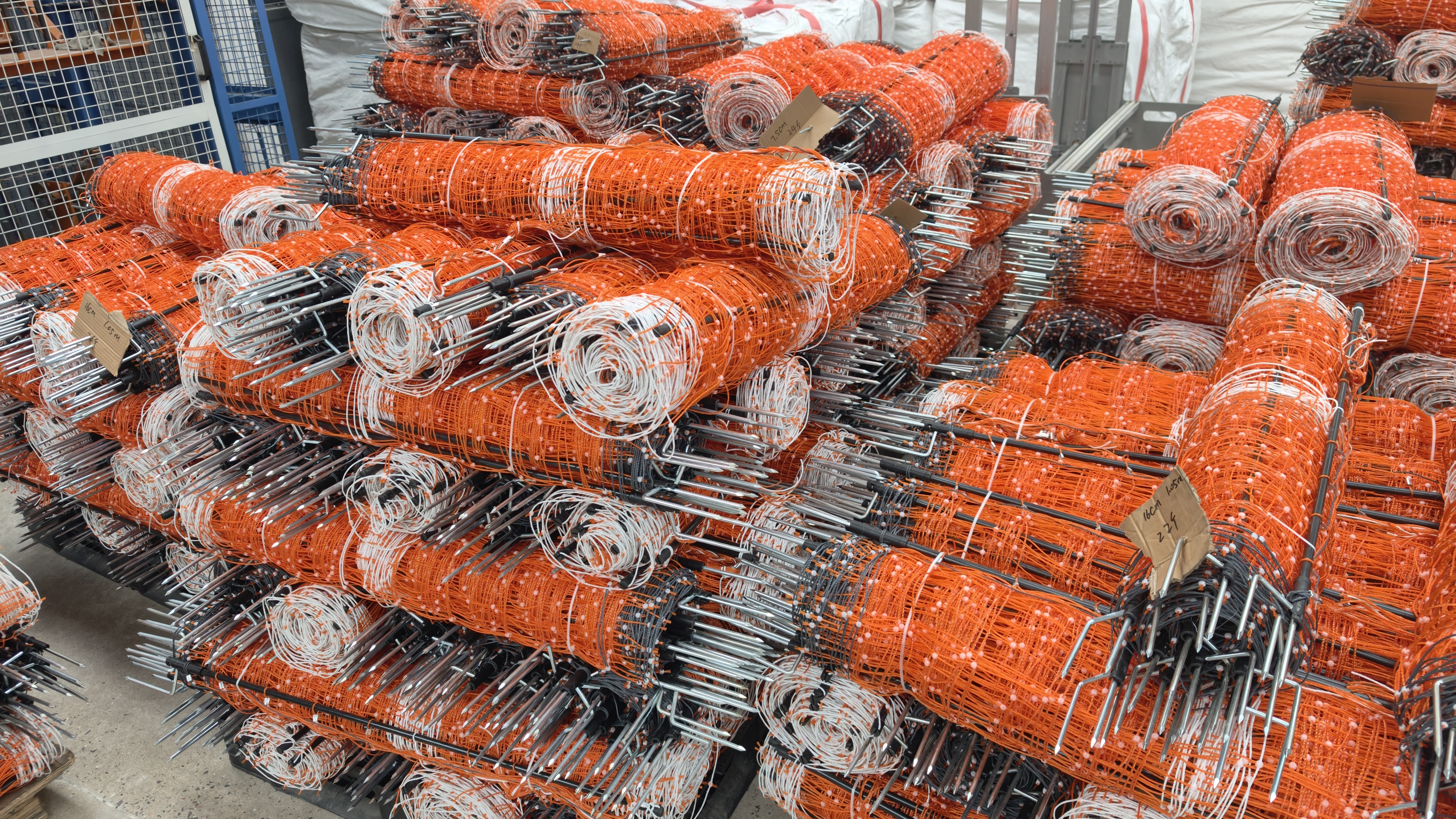
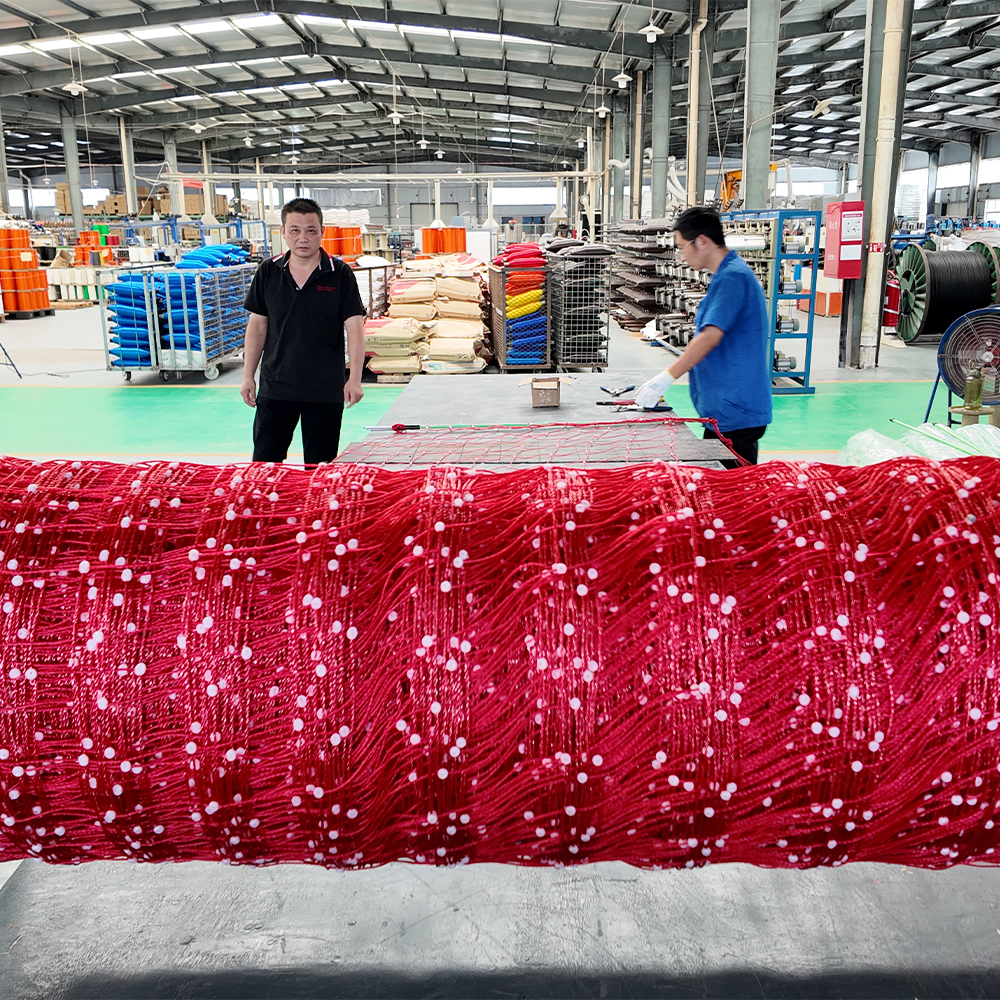
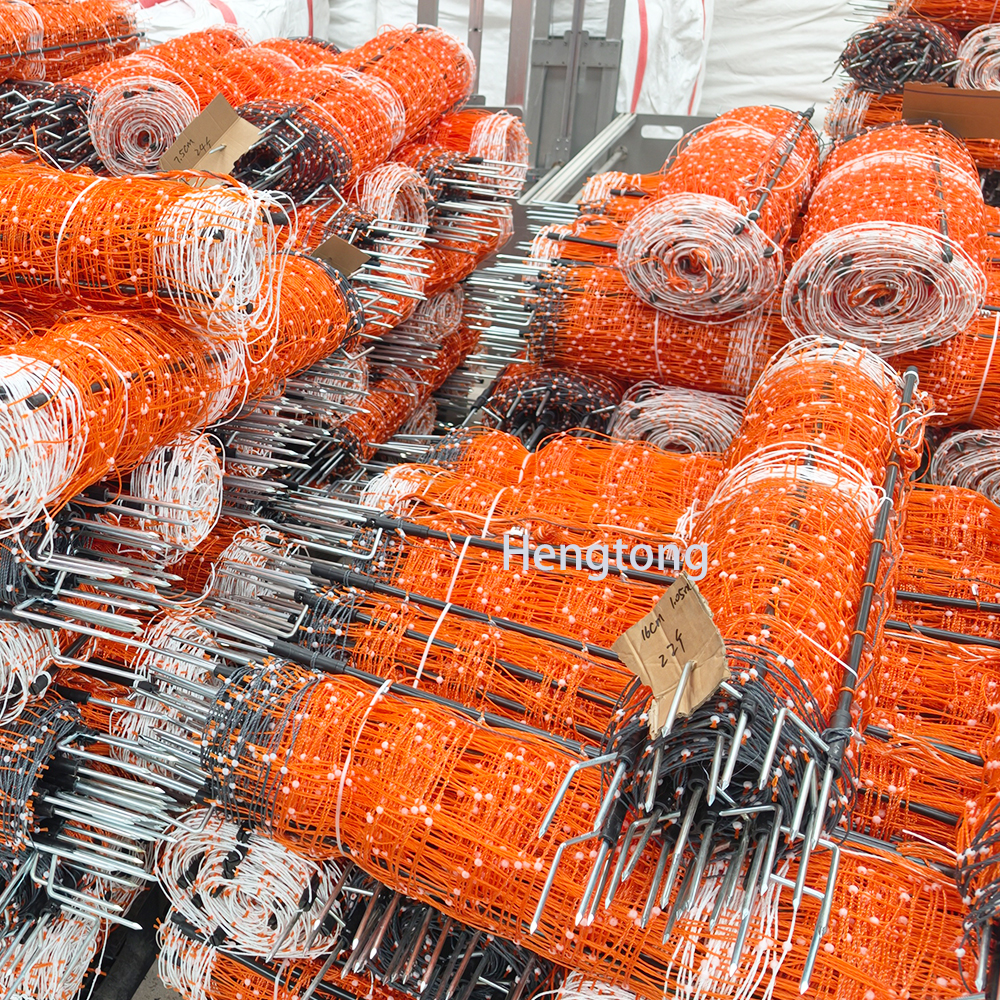
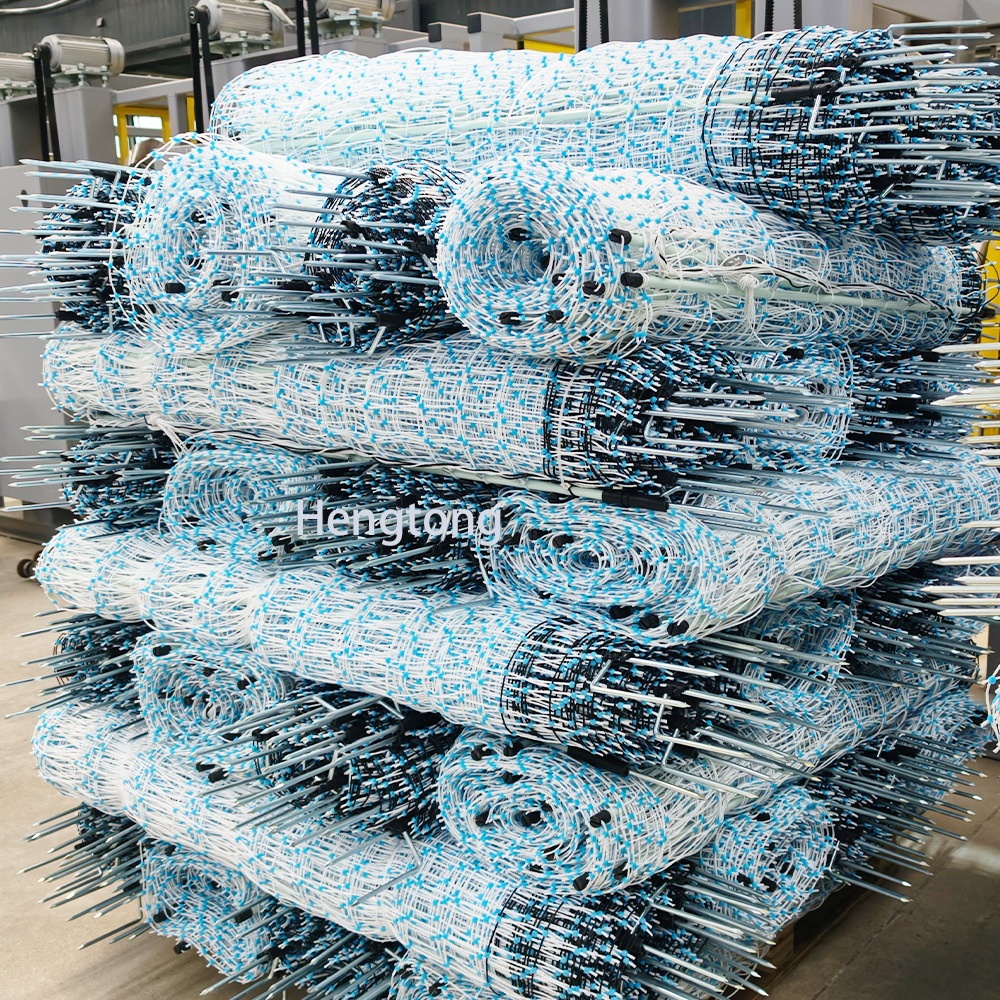
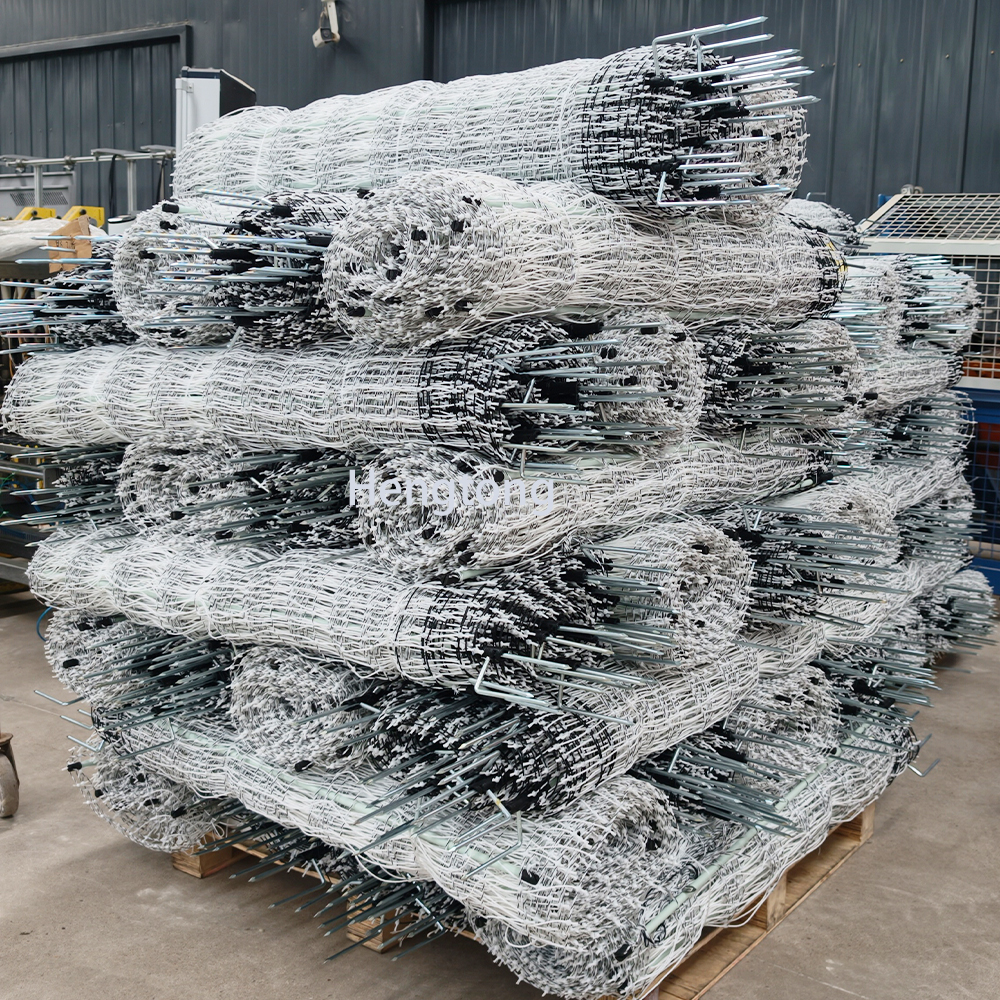
This is our electric fence netting production area, where specialized netting machines combine horizontal and vertical strands into complete portable electric fence nets. Compared with polywire, polyrope and polytape, electric netting requires more complex production control because the mesh spacing, number of horizontal lines, conductor distribution and connection points all need to remain consistent throughout the finished net.
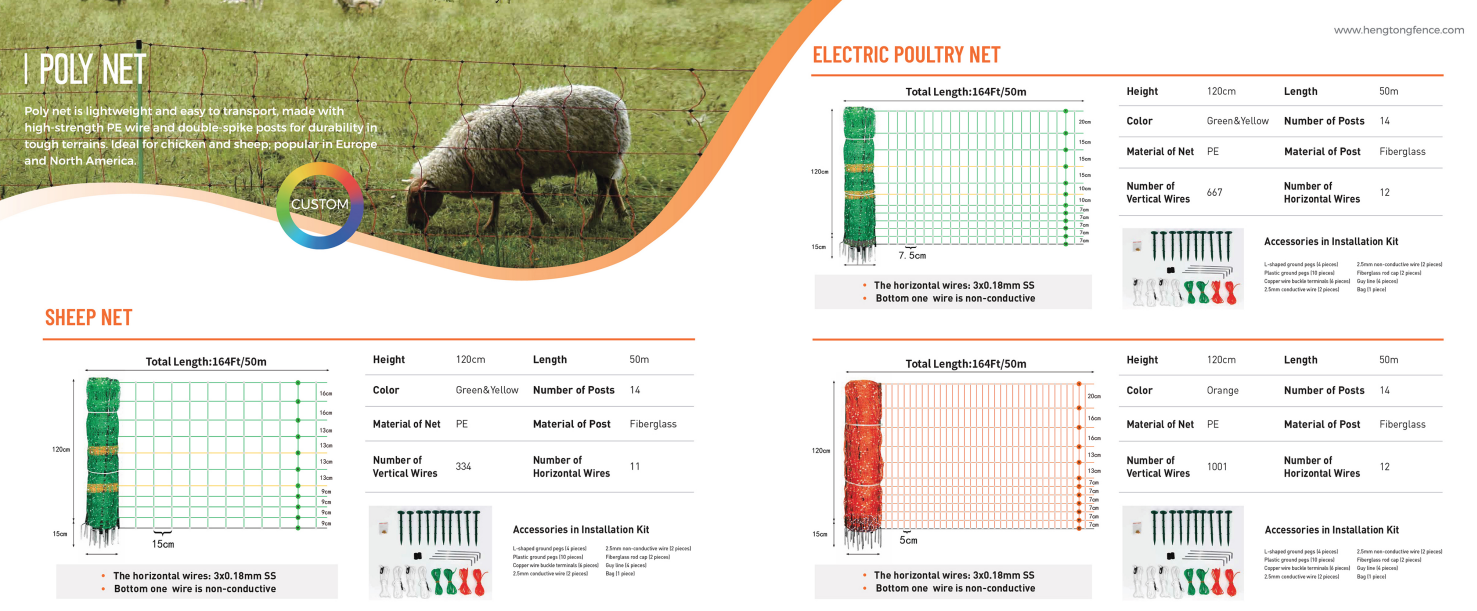
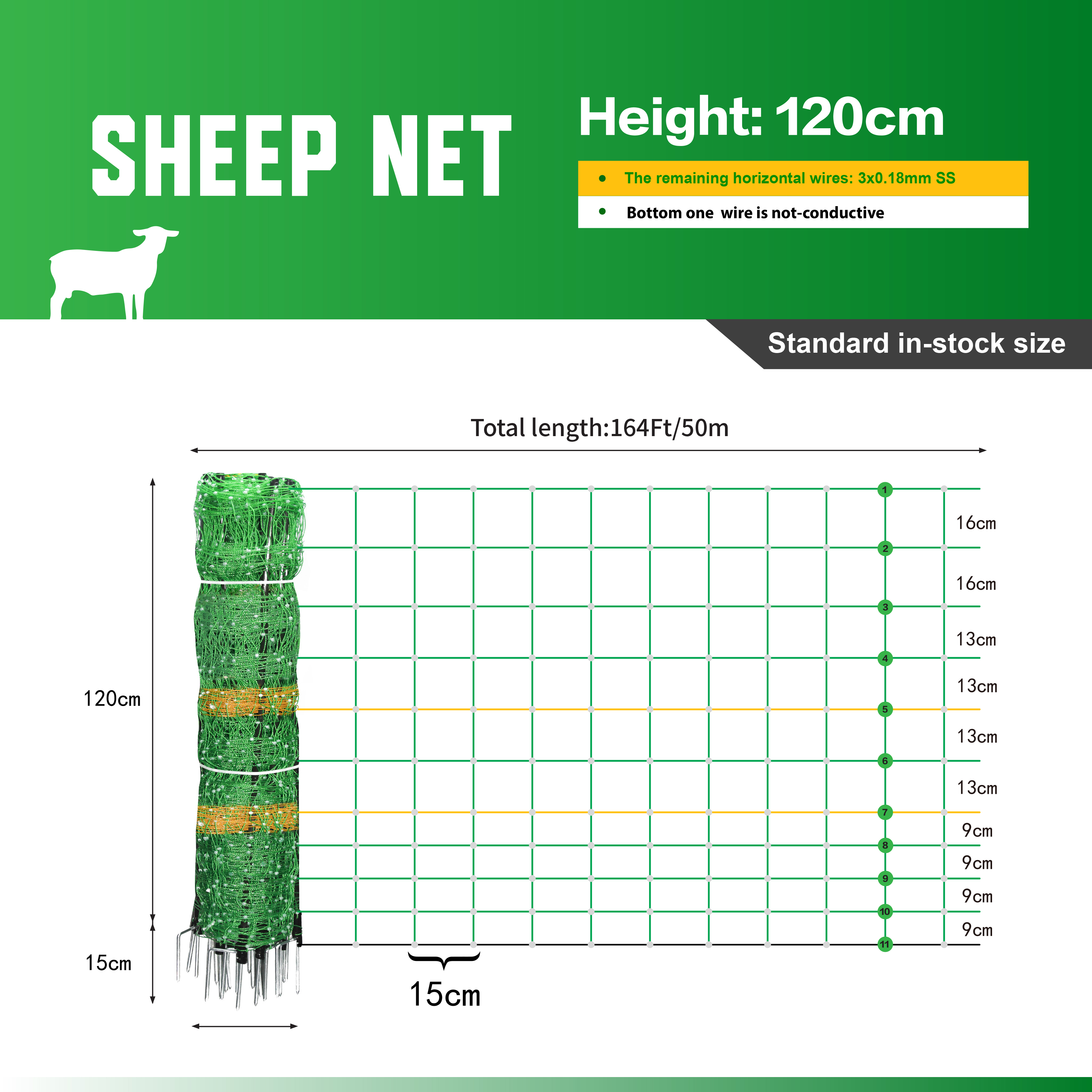
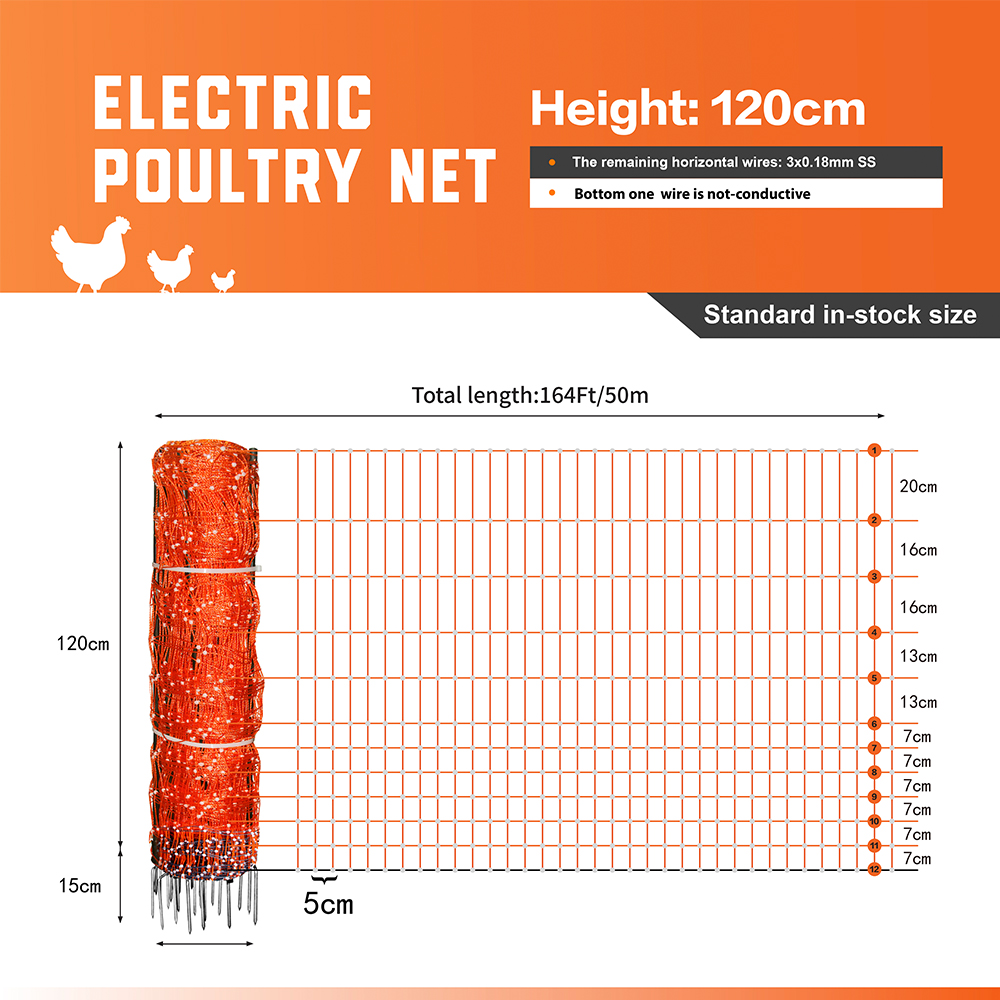
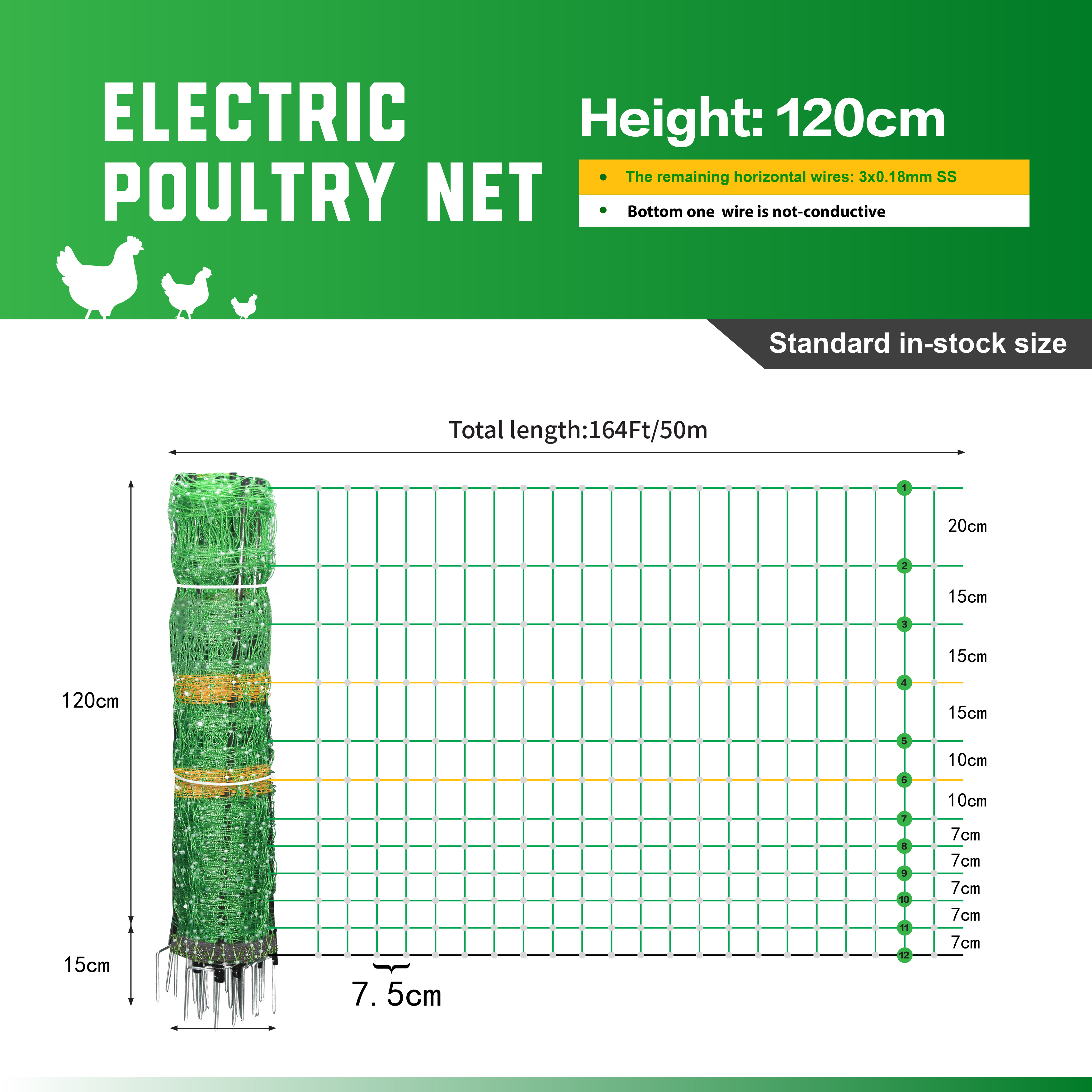
Our main netting range includes electric sheep netting and electric poultry netting. Standard products in our catalog are available in 120cm height and 50m length, with different colors, mesh structures and post configurations for different livestock applications. Sheep netting uses a mesh design that becomes denser toward the bottom, making it suitable for sheep and goats, while poultry netting uses a different mesh arrangement designed for chickens, ducks and other small animals.
We can also adjust net height, mesh spacing, color, post configuration and packaging according to different market requirements. For distributors serving livestock farms, rotational grazing systems or poultry markets, this allows the netting range to be adapted to different animals and local farming practices.
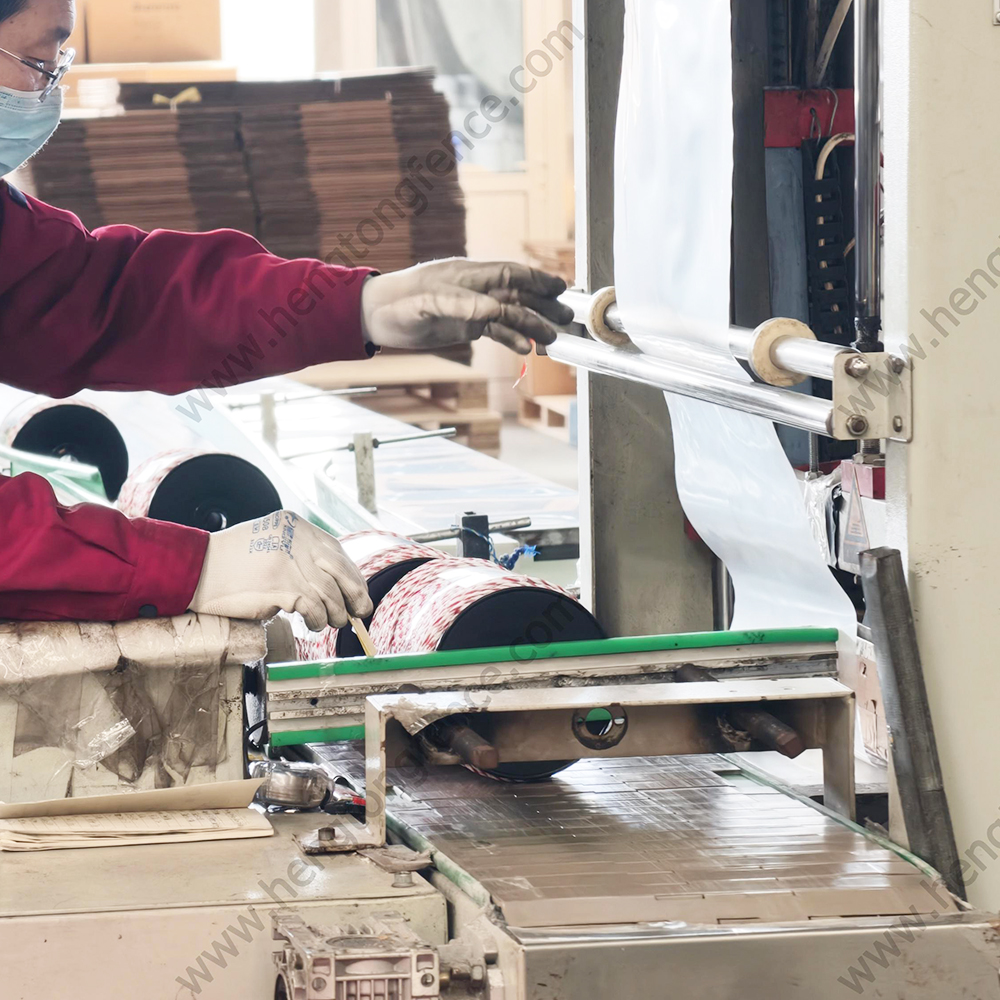
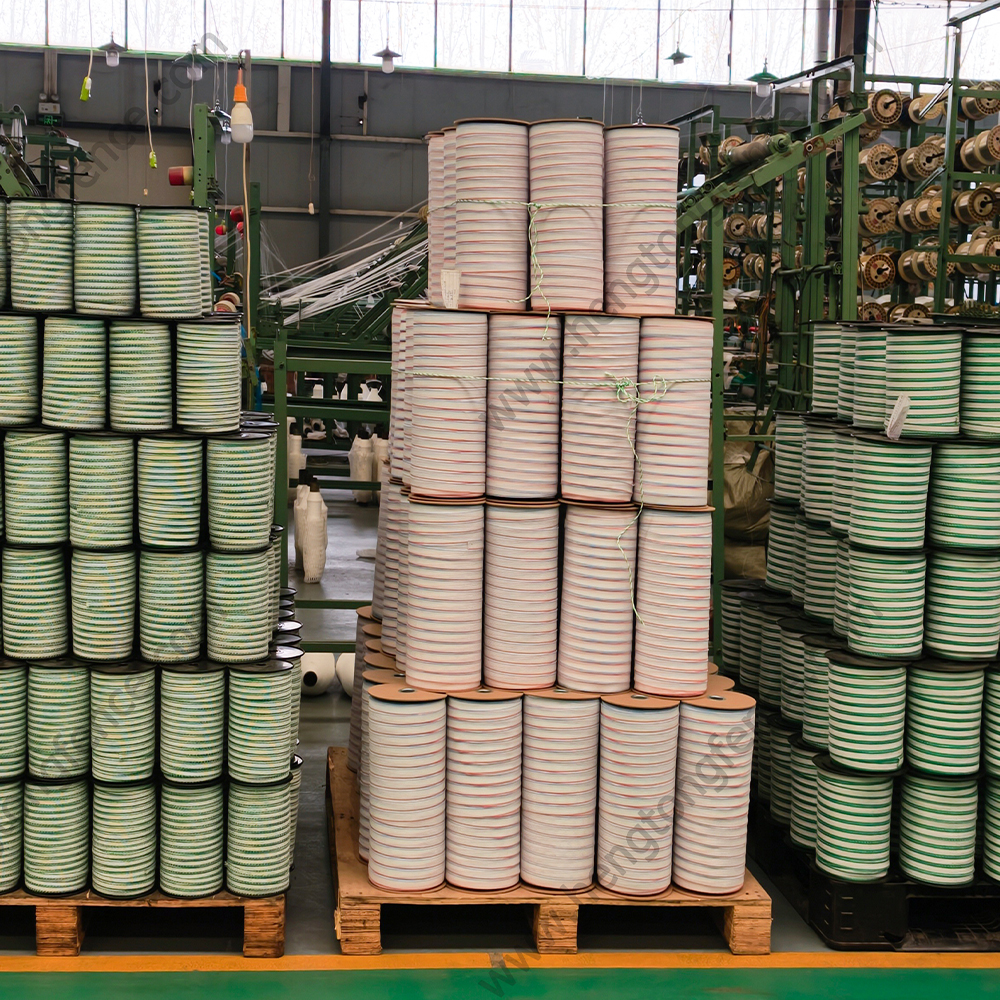
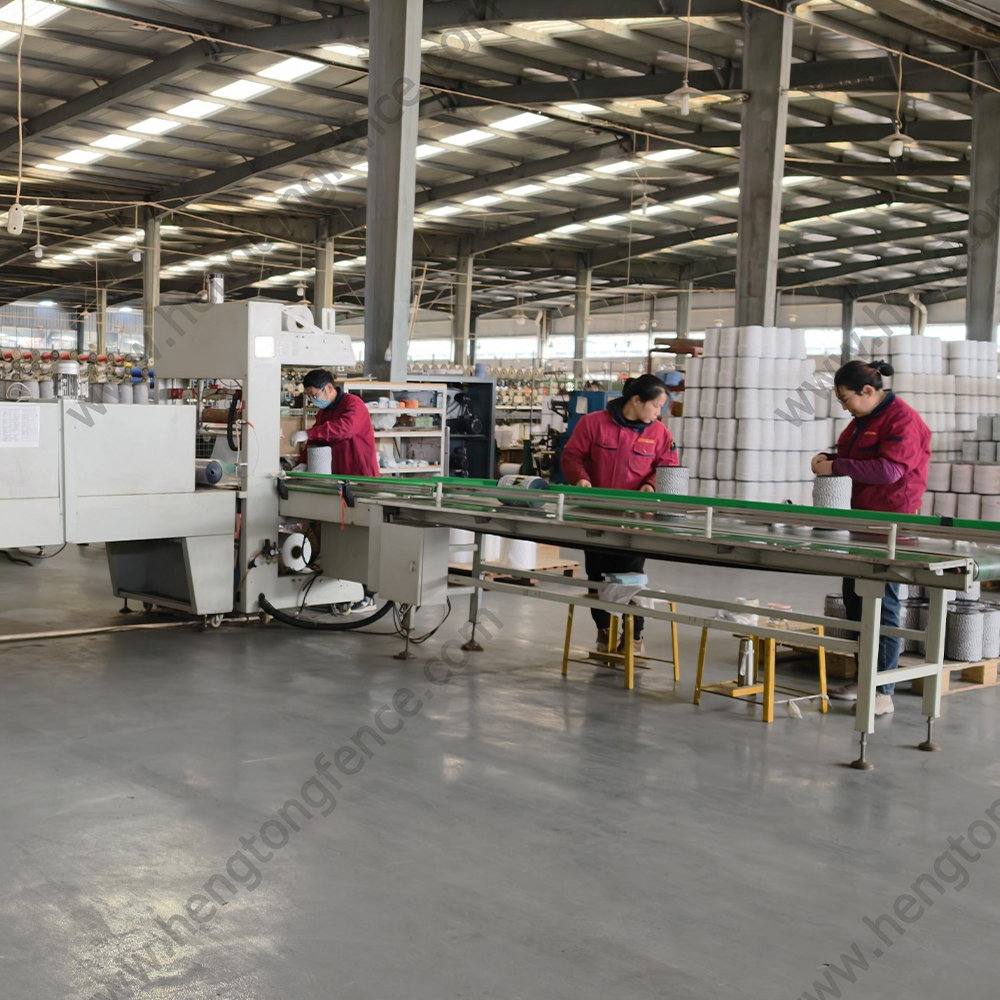
This is our packaging and labeling area, where finished electric fence products receive their final retail packaging before shipment. After production and quality inspection, polywire, polyrope and polytape are labeled, packed and prepared according to each customer’s branding and market requirements.
For distributors, wholesalers and private-label brands, we support flexible OEM packaging options including custom logos, label designs, colors, product information, barcodes, carton markings and retail-ready packaging. Depending on the product, packaging can include paper labels, shrink wrapping, cartons, plastic bags or other customized solutions.
This allows customers to receive products that are not only ready for shipment, but also ready for store shelves or online sales under their own brand.
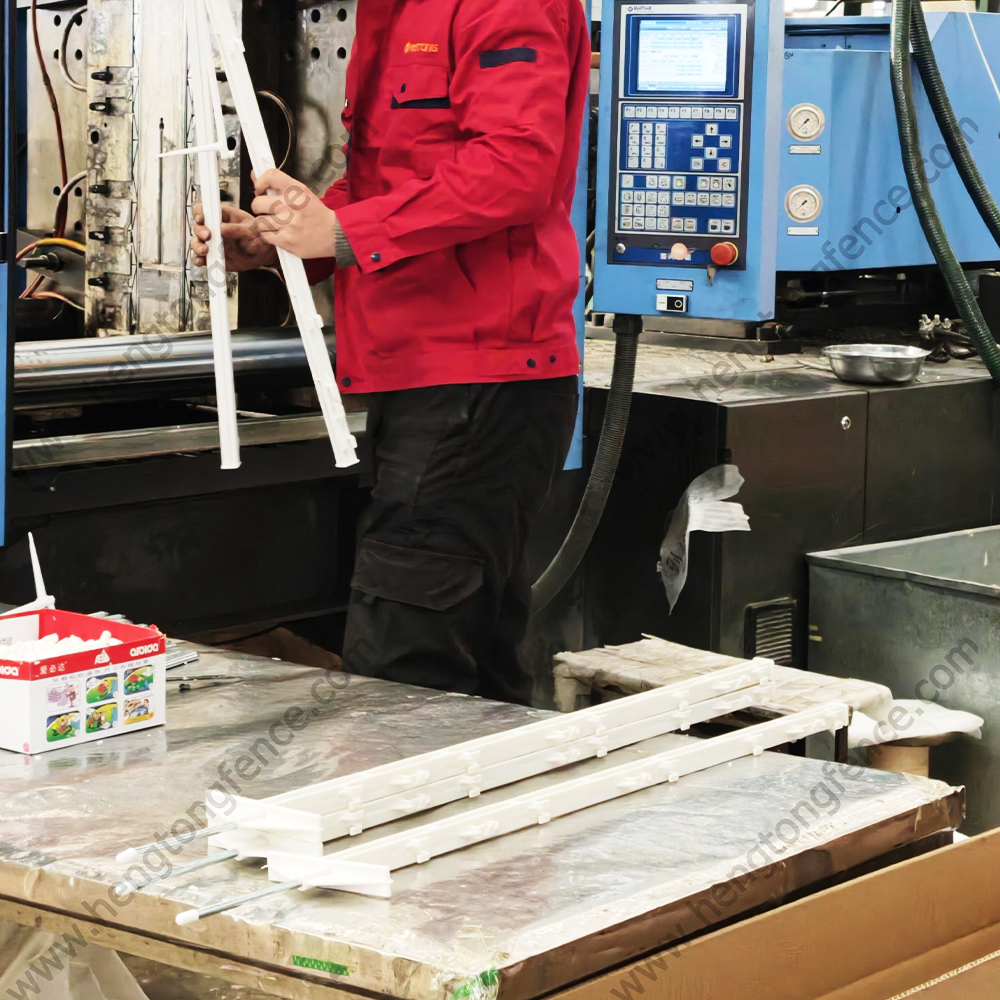
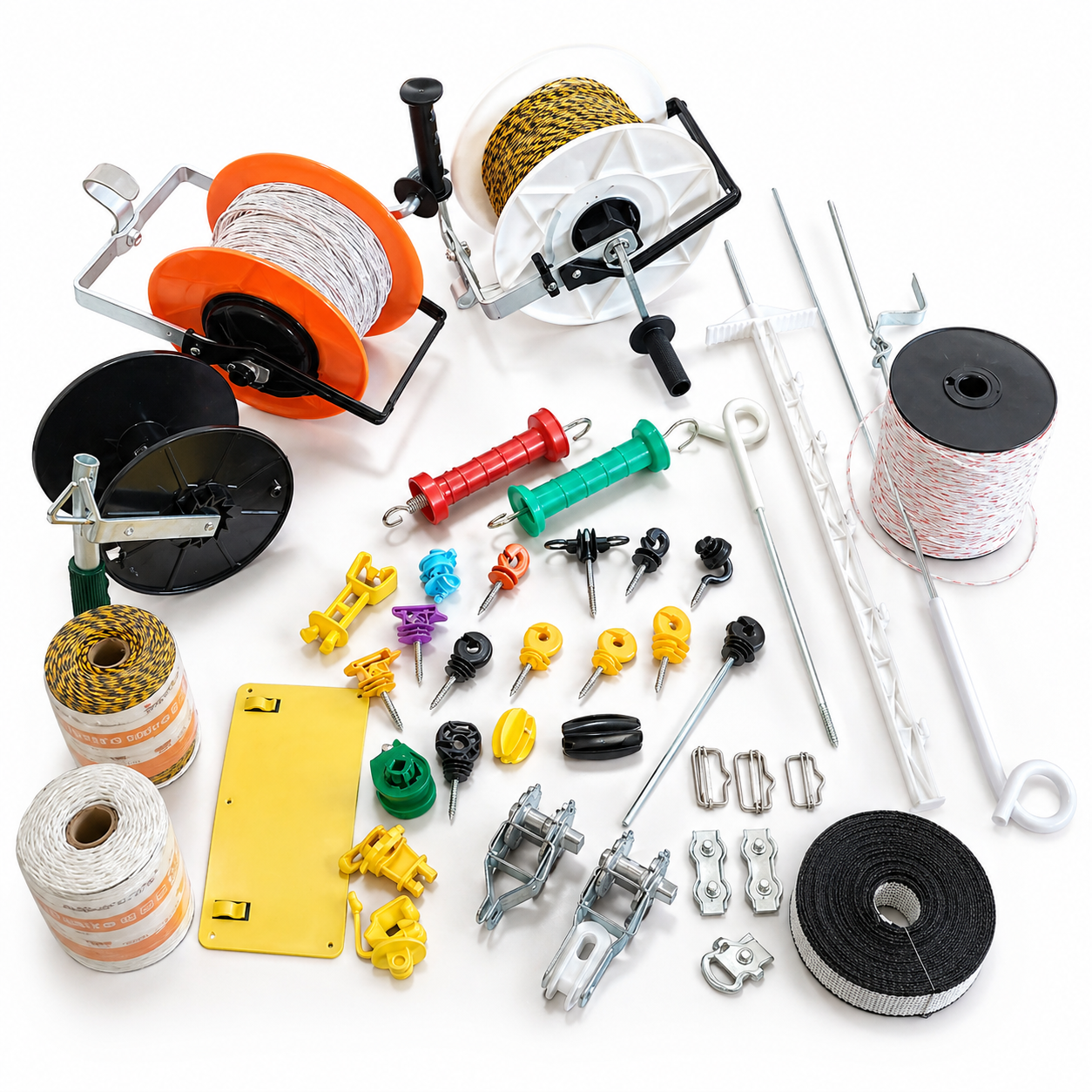
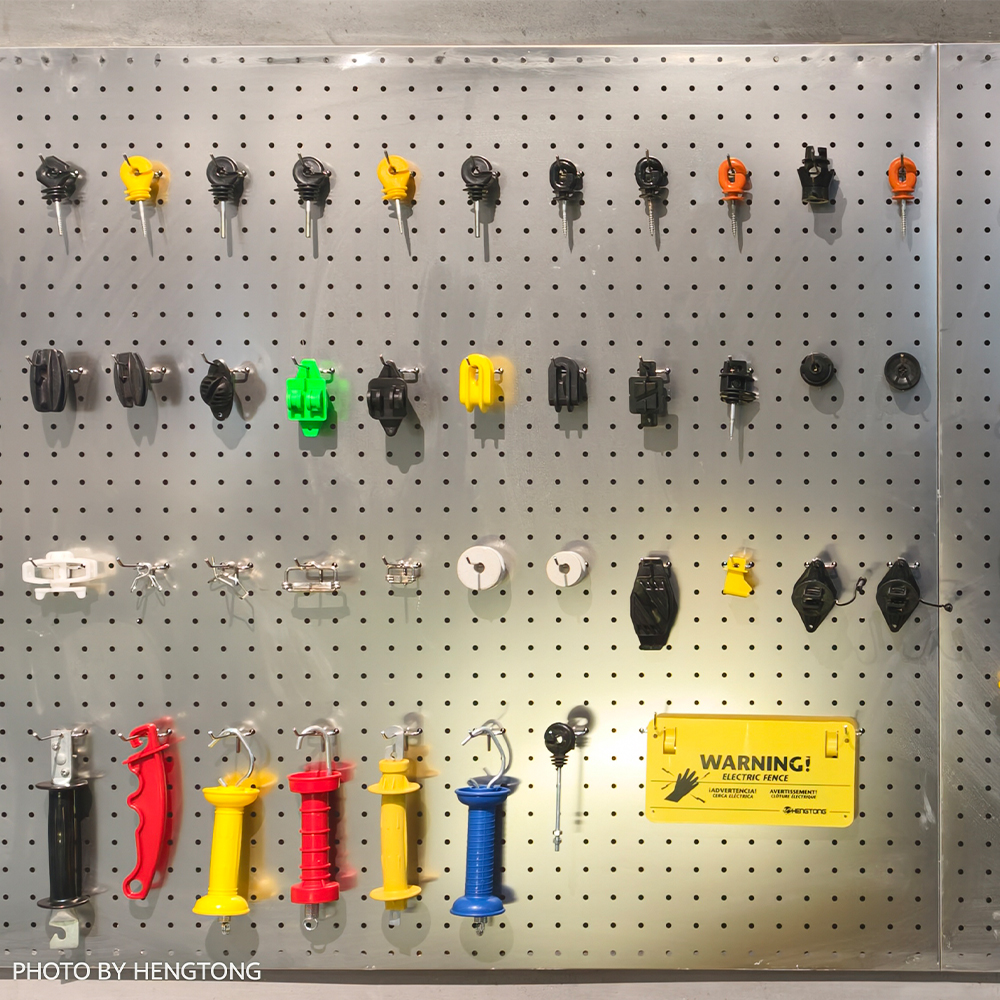
This is our injection molding area, mainly used to produce plastic components and accessories for electric fence systems. Plastic raw materials are heated and injected into different molds to form products with consistent shape, dimensions and appearance.
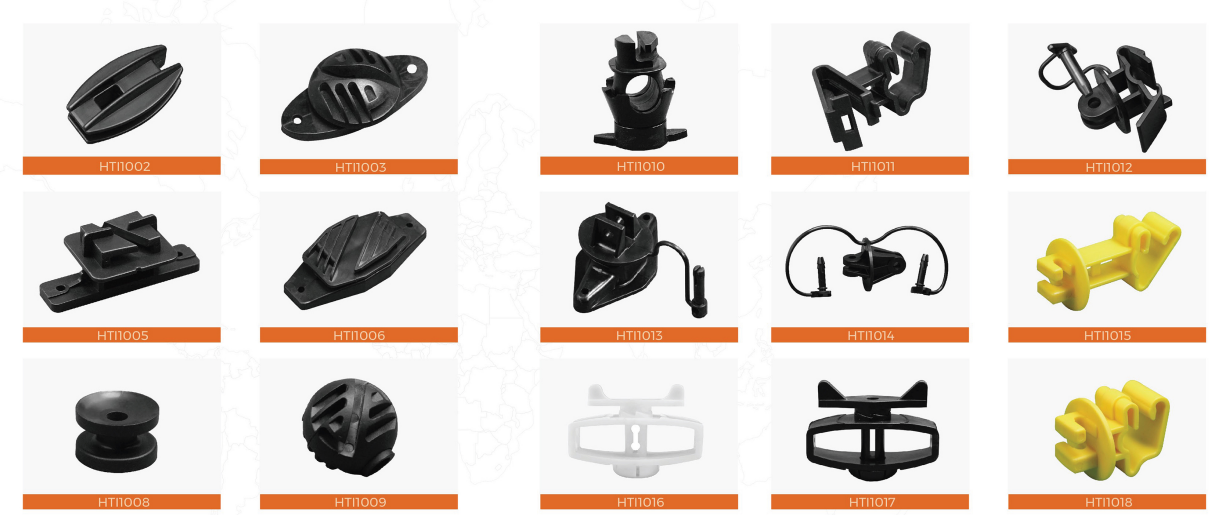
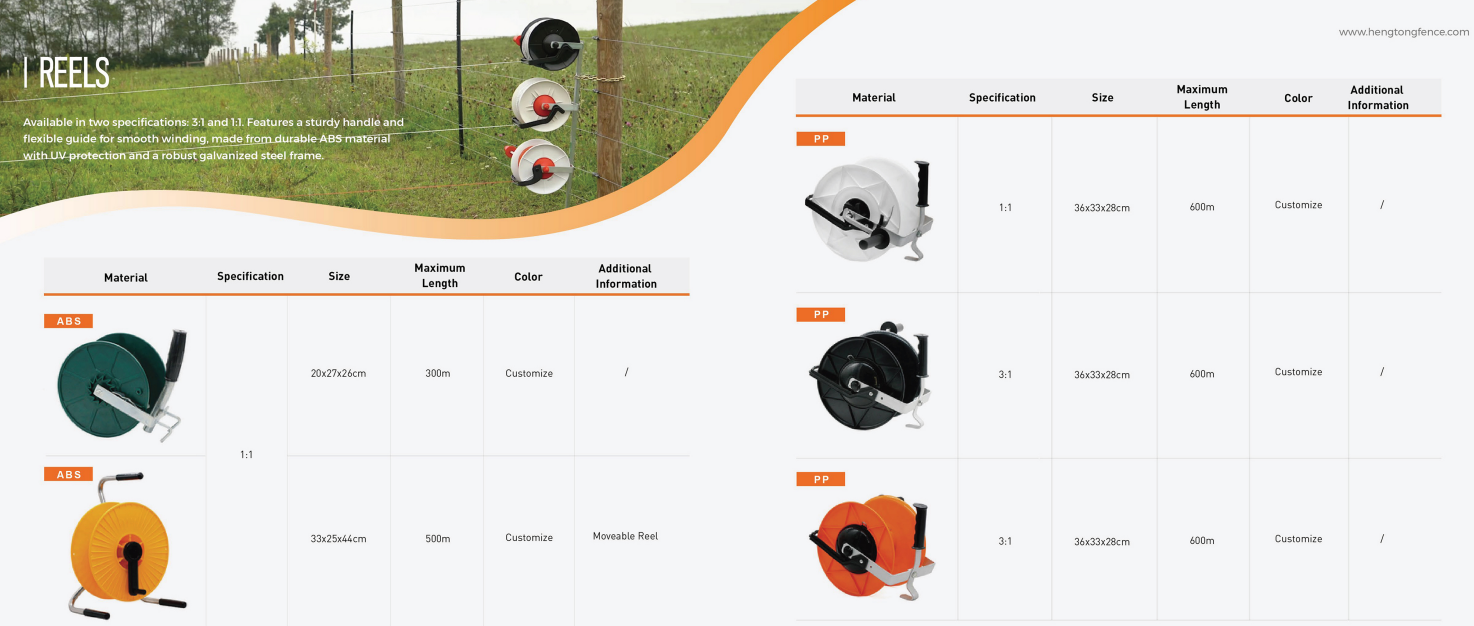
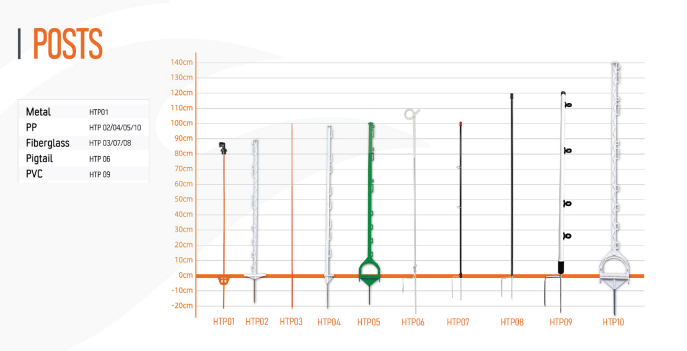
By changing the mold, this equipment can be used to manufacture different types of electric fence accessories and plastic components, supporting products such as insulators, gate accessories, reel components and post-related parts.
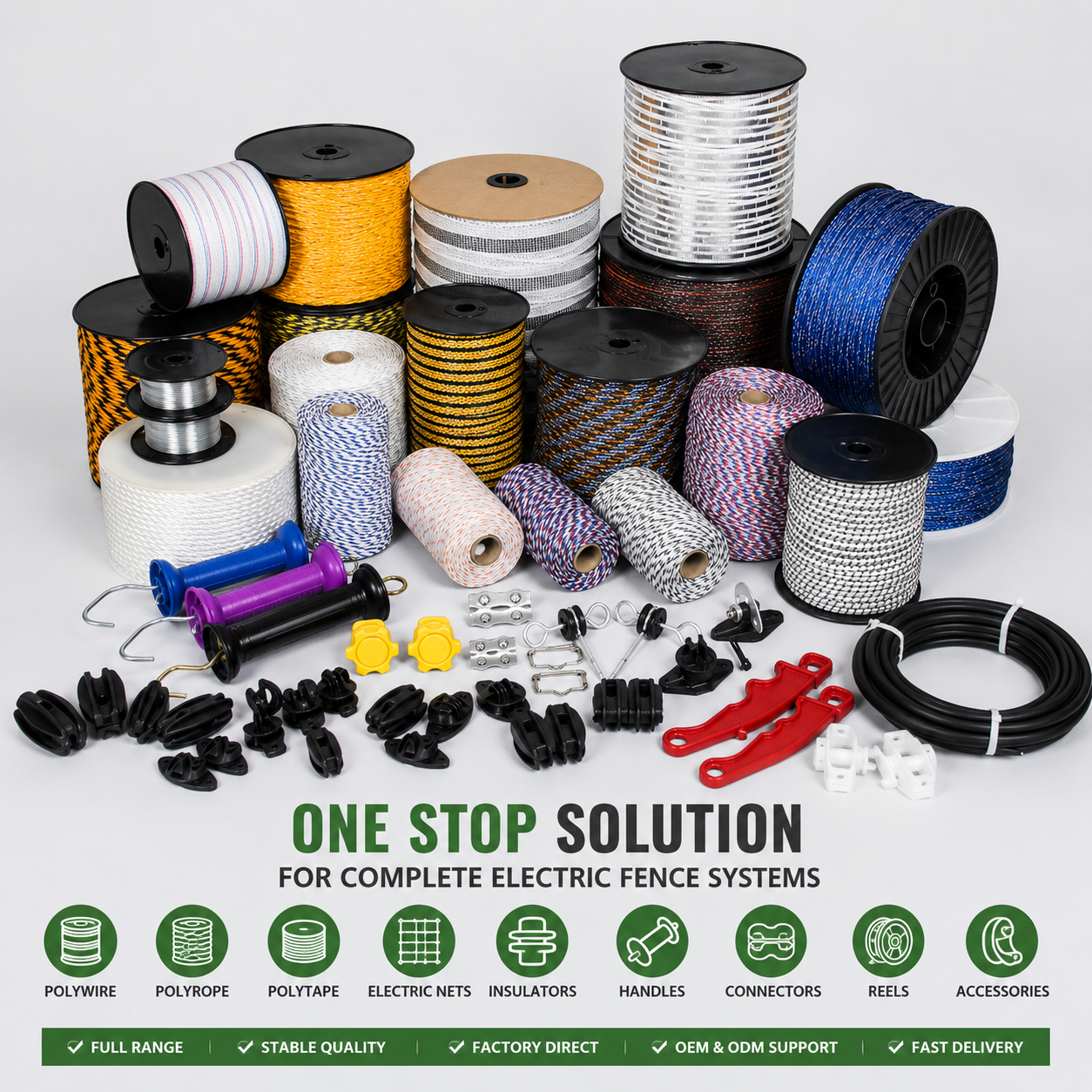
For different customer and market requirements, we can also adjust product color, material, structure and packaging according to the selected accessory and OEM project. This allows us to manufacture not only electric fence wire, rope, tape and netting, but also a wider range of supporting accessories within the same supply system.
We warmly welcome customers, distributors and brand owners to visit our factory and see our production lines, equipment and ongoing orders in person.
With more than 20 years of electric fence manufacturing experience, we have built long-term cooperation with customers across different markets around the world. This experience allows us to support not only product manufacturing, but also OEM customization, private-label packaging, bulk production and one-stop electric fence supply.
For customers who want to build or expand their own electric fence brand, we can help develop suitable product specifications, packaging and product combinations for their market, supporting their business from manufacturing to final sales.
What you have seen above is only part of our factory. There are still many more production areas, machines and manufacturing processes waiting to be explored. We sincerely look forward to welcoming you here, showing you more of our real production capabilities, and helping your brand grow together with us.