Search
For electric fence distributors, product selection is not simply about finding the lowest-cost option.
A product needs to be easy to understand, easy to sell, practical for end users, and different enough from competing products to justify its price.
This is where braided electric fence rope is gaining attention.
Compared with conventional electric fence wire and ordinary rope, braided electric fence rope combines a more substantial rope structure with conductive elements, creating a product that offers a different balance of visibility, handling, appearance and electrical performance.
So, what makes it attractive to distributors?
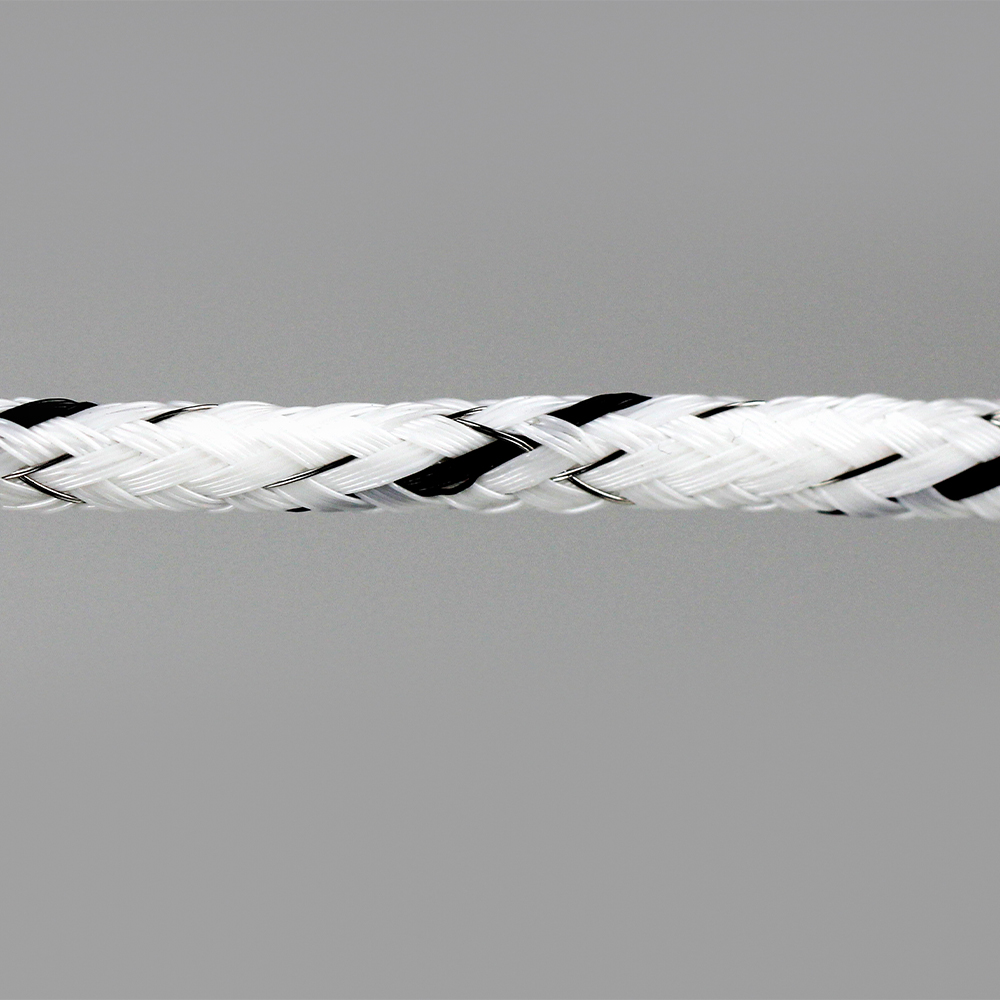
One of the biggest differences between electric fence wire and braided electric fence rope is the physical presence of the product.
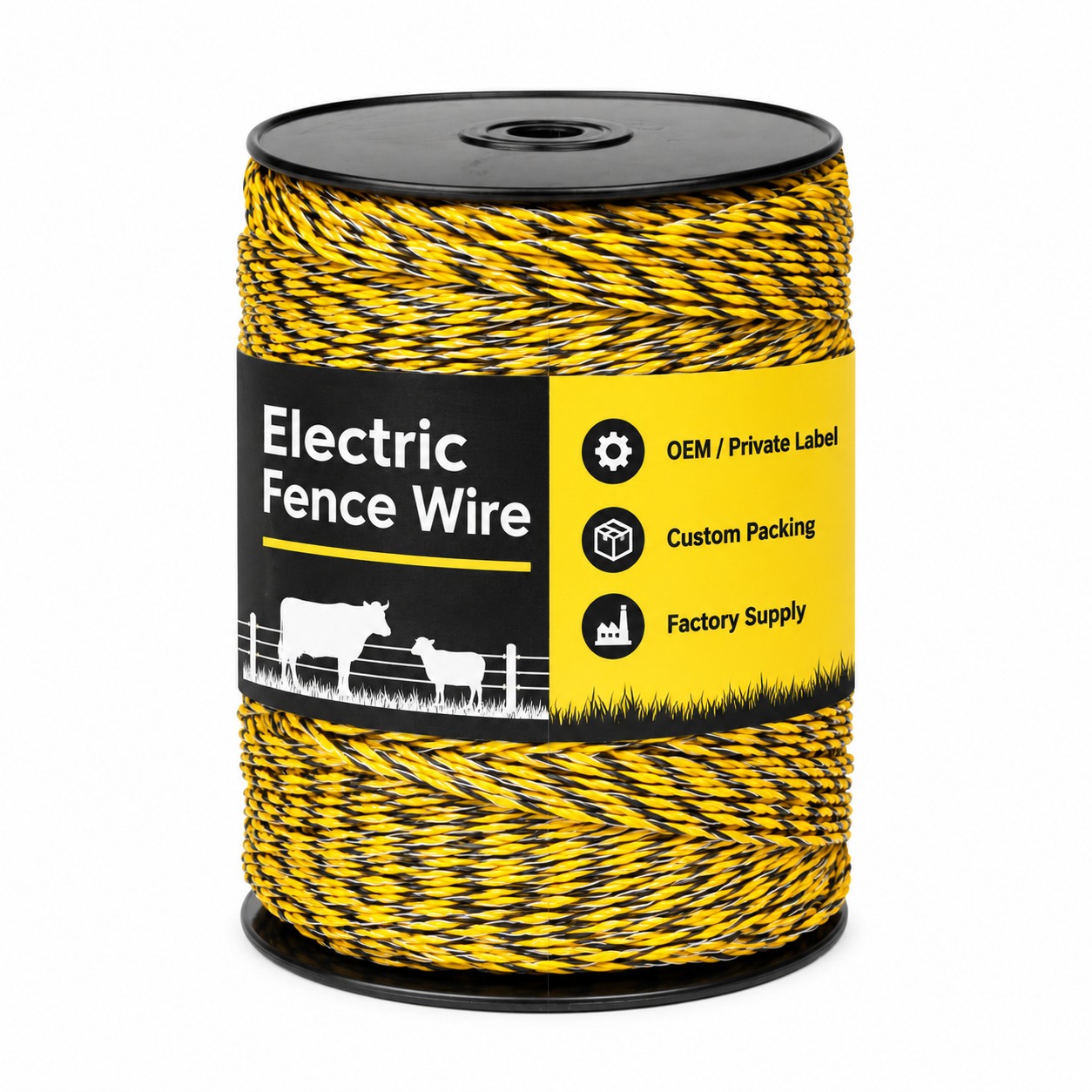
Polywire is lightweight and economical, but its relatively thin profile can make it look like a basic fencing consumable.
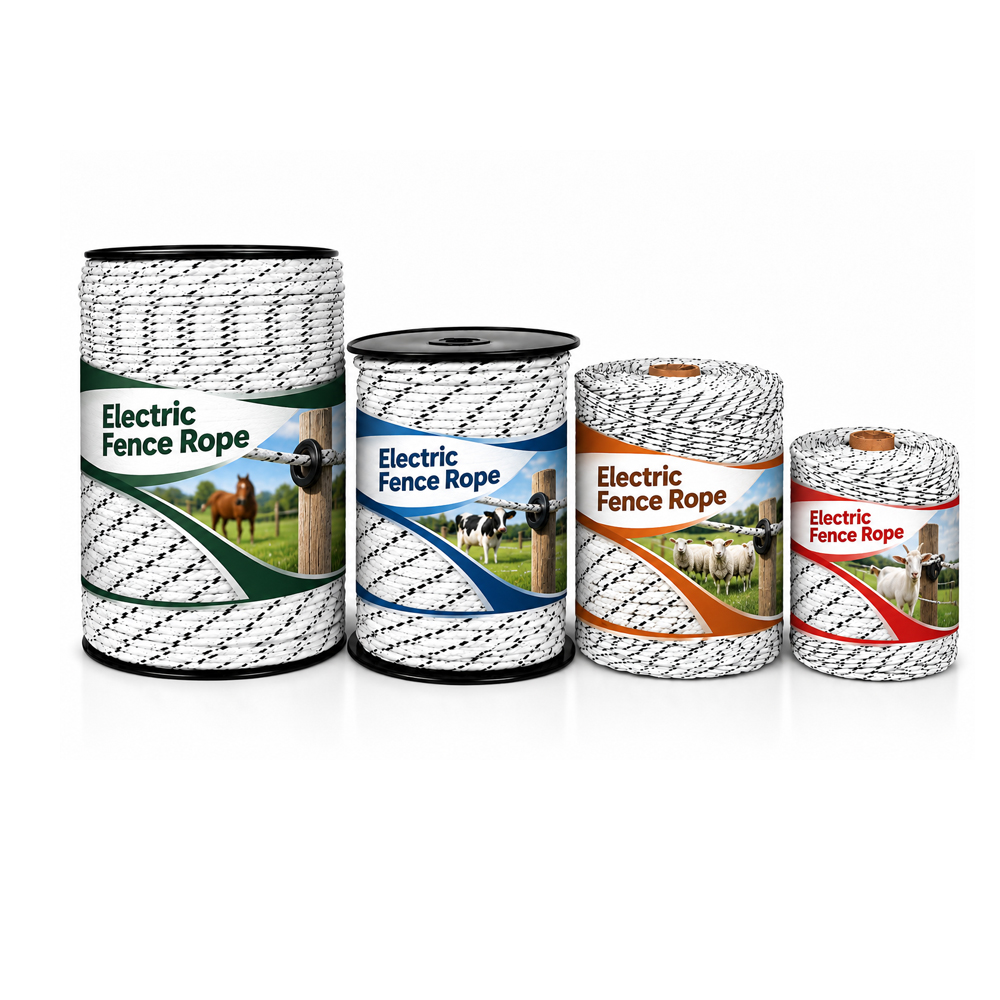
Braided electric fence rope has a larger, more substantial profile.
When customers see and handle it, the difference is immediately noticeable.
This gives distributors an important advantage:
The product has a clearer perceived value.
It is easier for a customer to understand why a braided rope may cost more than a basic electric fence wire.
For distributors, this matters because a product with visible differences is easier to position as an upgraded option instead of competing purely on price.
An electric fence needs to be visible enough for users to understand where the fence line is.
A larger rope profile naturally provides more visual presence than a thin wire.
At the same time, braided electric fence rope is not simply a thicker rope.
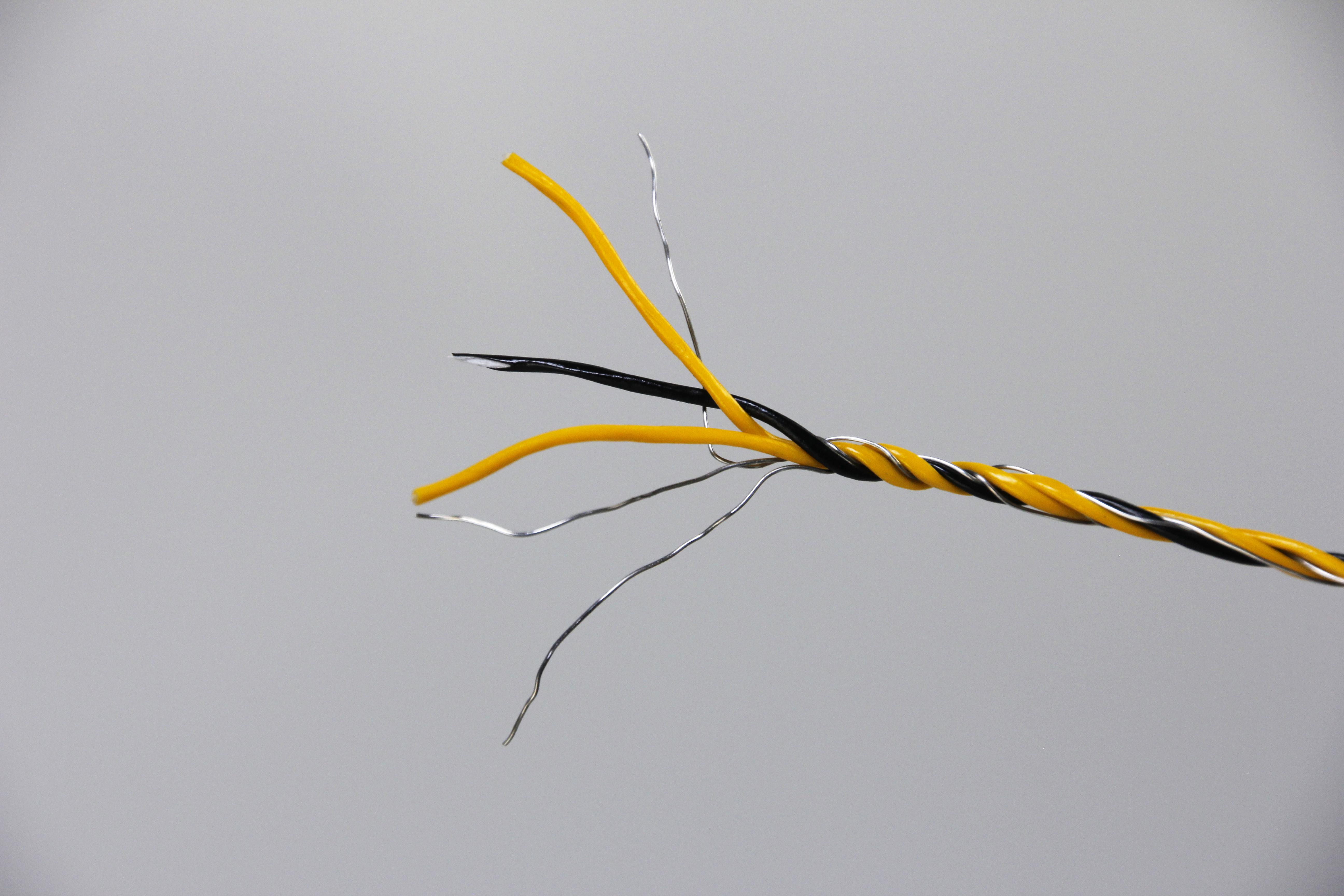
Conductive wires are incorporated into the rope structure, allowing the product to function as part of an electric fence system.
This gives distributors a product with two clear characteristics:
The appearance and handling of rope + the electrical function of an electric fence conductor.
That combination is one of the main reasons the product stands out from ordinary rope and basic electric fence wire.
A product can have good specifications, but if it is inconvenient to use, it becomes harder to sell.
Compared with thin electric fence wire, a larger braided rope is generally easier to grip and handle during installation.
This can be especially useful when users are:
The rope-like structure also gives the product a more familiar handling experience than a thin wire.
For distributors, this creates another simple selling point:
It is an electric fence conductor that is easier to handle like a rope.
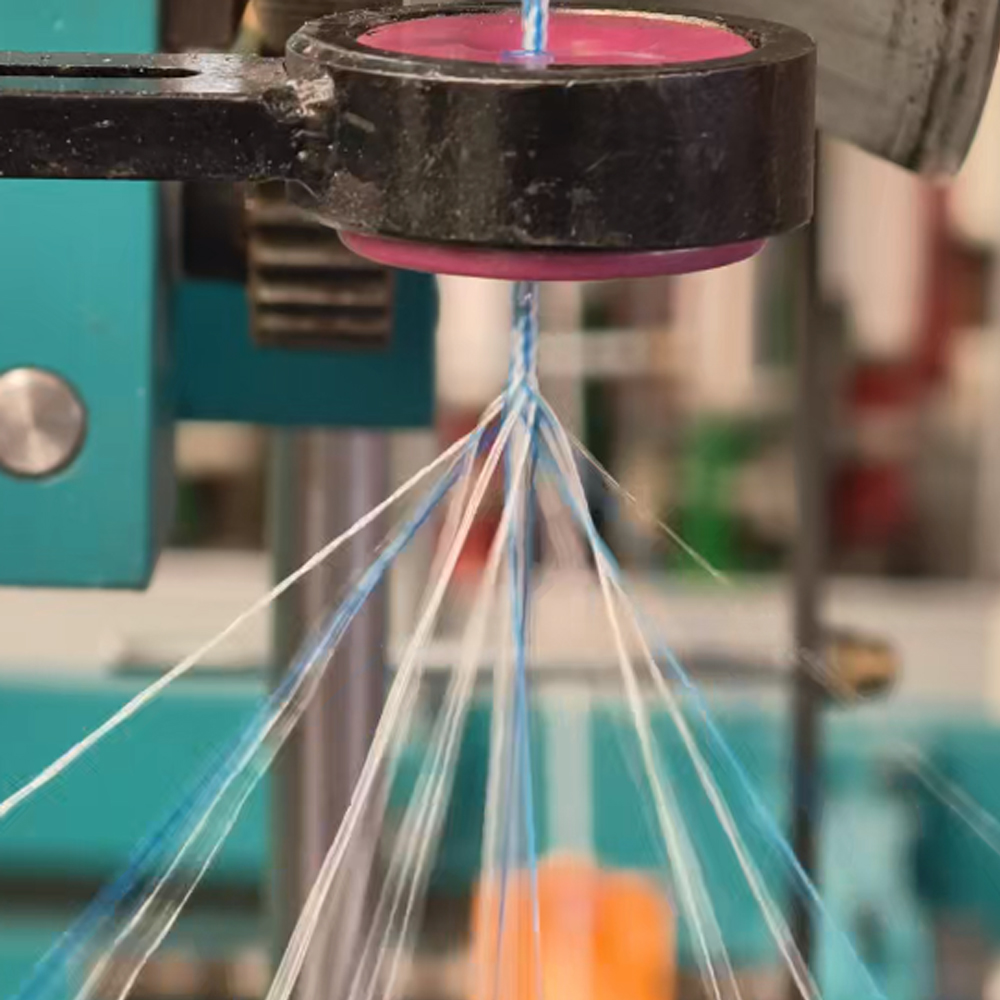
The word “braided” is important.
Braiding is not simply a visual design. It creates an integrated rope structure in which multiple strands are interlaced.
For an electric fence rope, this structure combines the outer synthetic fibers with the conductive elements into a more cohesive product.
During handling and installation, the braided construction helps the rope maintain its overall form rather than behaving like a collection of loose strands.
This gives the product a different feel from a simple twisted rope.
However, the exact mechanical performance still depends on the fiber material, conductor configuration and manufacturing process. Braided construction should not automatically be interpreted as “stronger in every situation.”
This may be one of the most important reasons for distributors.
A distributor does not necessarily need to replace Polywire with braided rope.
Instead, the two products can work together.
For example:
Polywire → Basic / Economical Option
Braided Electric Fence Rope → Upgraded / Higher-Value Option
This gives customers a choice instead of forcing the distributor to sell only one product.
A customer looking for the lowest-cost solution can choose Polywire.
Another customer who wants a more substantial, visible and easier-to-handle conductor can move up to braided electric fence rope.
This creates a natural product ladder.
And for a distributor, having a product ladder is much better than having several products that all compete at exactly the same price level.
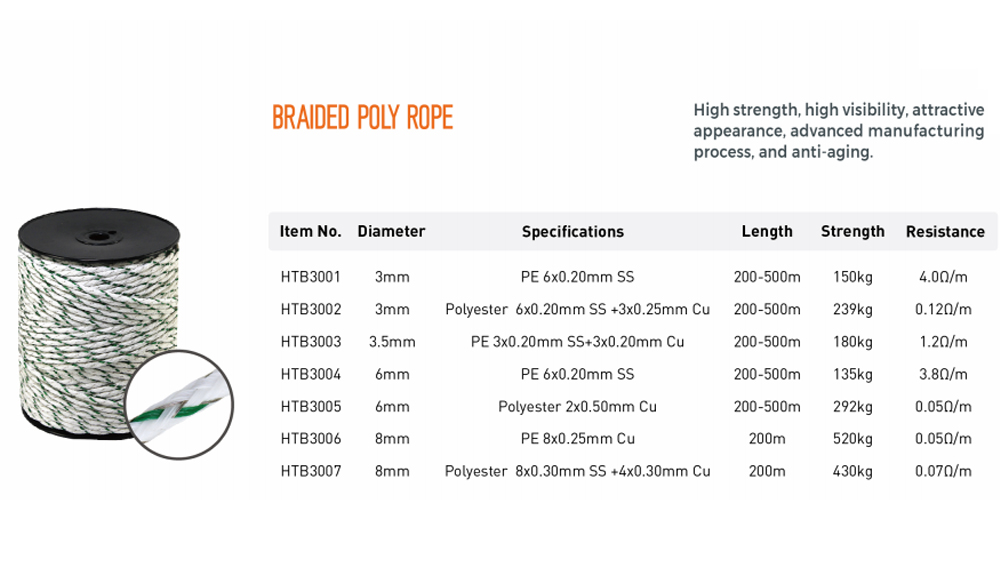
Another advantage of braided electric fence rope is that the rope structure can accommodate different conductor configurations.
Depending on the product design, options can include:
For example, electric fence rope can be developed with configurations such as 6xSS, 9xSS, or mixed copper and stainless steel conductors.
This gives distributors more flexibility when creating product grades.
A standard stainless steel version can serve general applications, while a copper-and-stainless-steel configuration can be positioned toward applications where lower electrical resistance is important.
The result is not simply one rope product.
It can become a family of products with different performance and price levels.
This is a major commercial advantage.
When two products look almost identical, customers often compare them mainly by price.
That creates pressure on distributors.
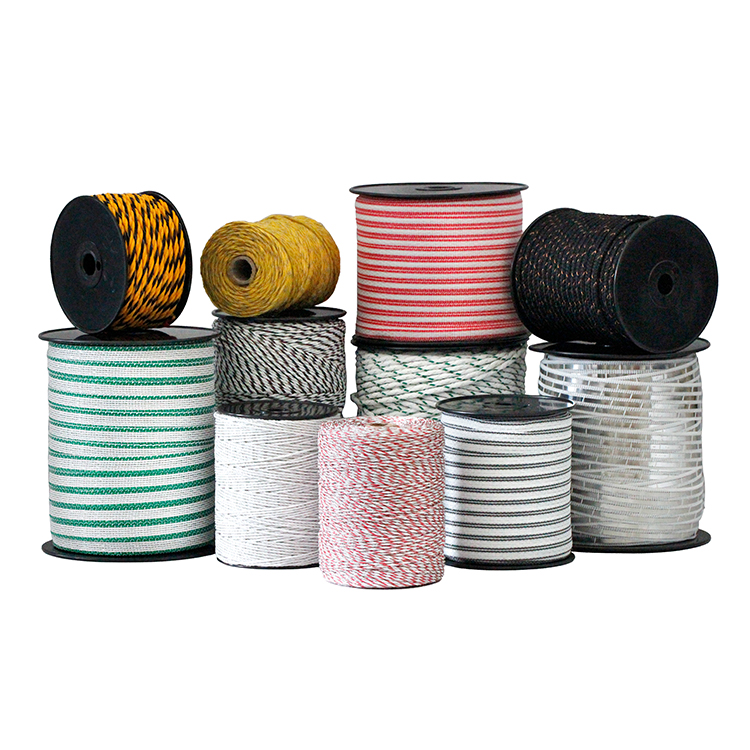
Braided electric fence rope has more visible product characteristics:
Diameter
Braided structure
Color
Conductor configuration
Spool presentation
Handling feel
These differences make it easier for distributors to explain the value of one product compared with another.
Instead of saying:
“This wire is more expensive.”
They can say:
“This is a braided electric fence rope with a larger profile and a different conductor configuration.”
That is a much better sales conversation.
Braided rope can also sit between different categories of electric fence products.
A distributor might offer:
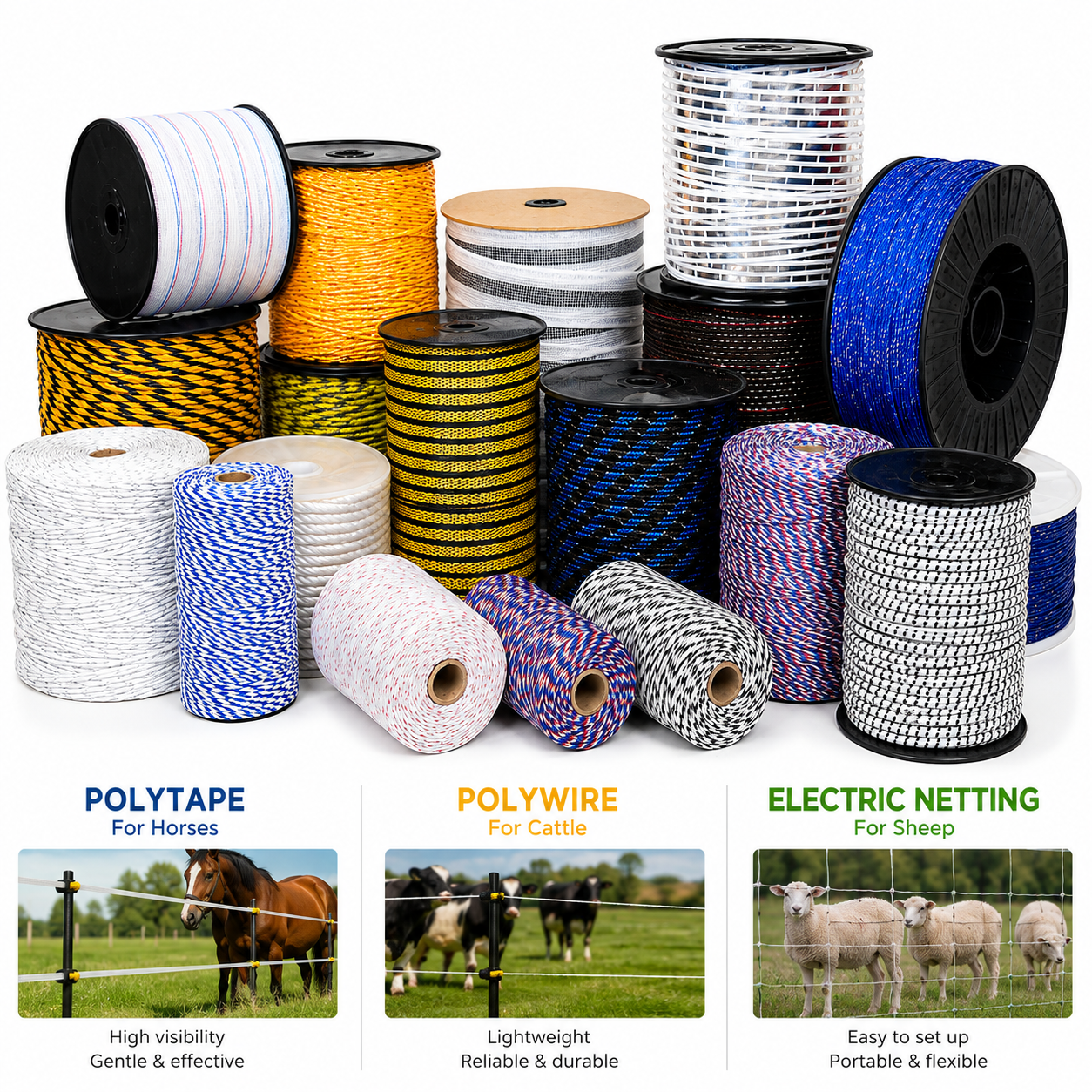
| Product | Main Position |
|---|---|
| Polywire | Economical and lightweight |
| Braided Electric Fence Rope | More substantial and easier to handle |
| Polytape | Wide, highly visible fencing material |
| Electric Fence Netting | Integrated fencing solution |
Each product has a different purpose.
This makes braided rope valuable not because it replaces every other product, but because it fills an important position within the overall electric fence range.
Ultimately, distributors need products that give customers a reason to choose them.
Braided electric fence rope offers several visible differences compared with basic electric fence wire:
More substantial appearance
Easier handling
Larger and more visible profile
Integrated braided construction
Multiple conductor configurations
Different diameter options
Clearer product differentiation
These characteristics make it easier to position braided electric fence rope as an upgraded product rather than simply another type of wire.
That is perhaps the easiest way to understand its growing appeal.
A thin electric fence wire focuses mainly on providing an economical conductive fence line.
Ordinary rope focuses mainly on mechanical handling.
Braided electric fence rope combines the rope form with electrical functionality.
That combination gives distributors a product that is easier to differentiate, easier to position at different price levels, and easier for customers to recognize as an upgraded electric fencing option.
For distributors building a modern electric fence product range, braided electric fence rope is therefore not simply another SKU.
It is a product category with its own market position.
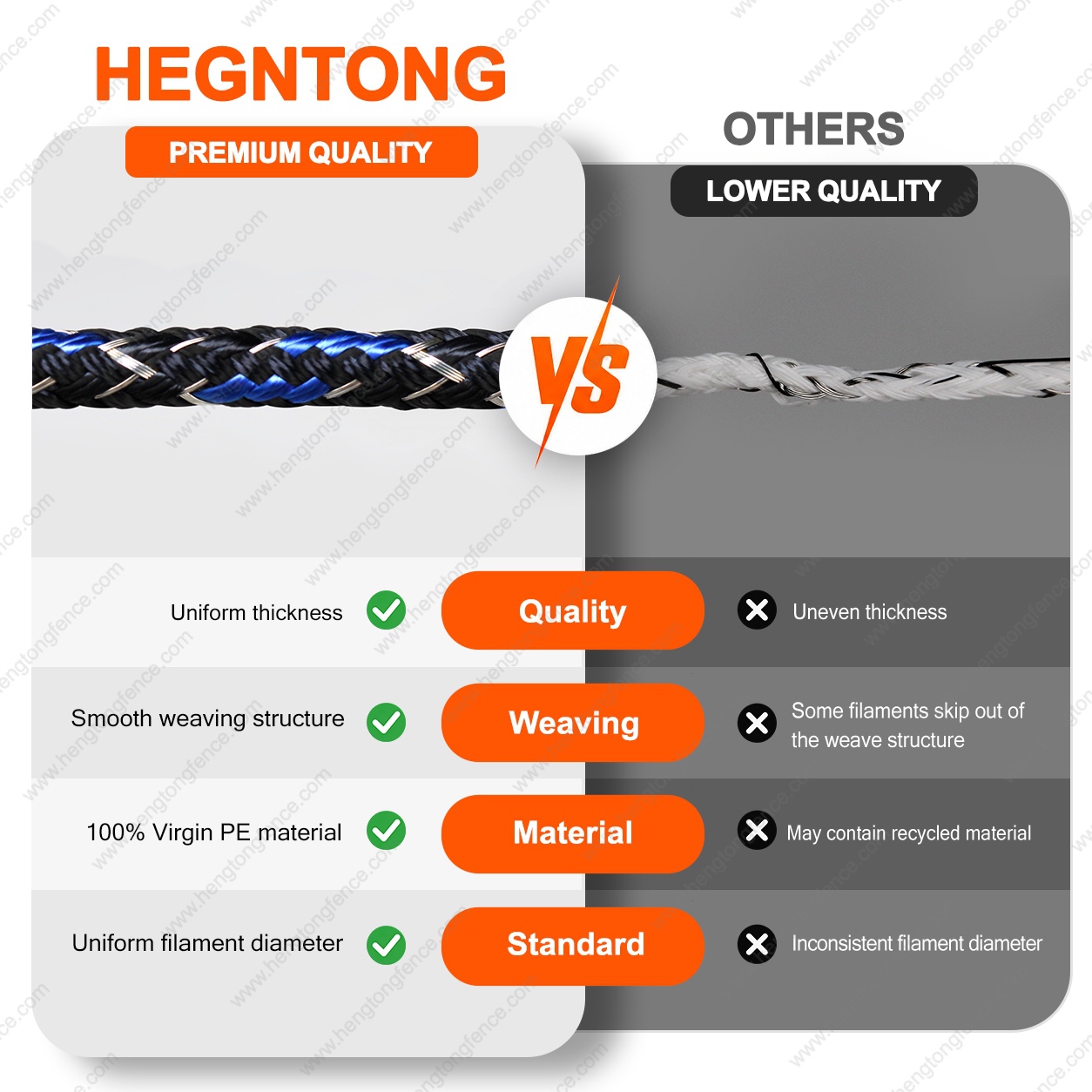
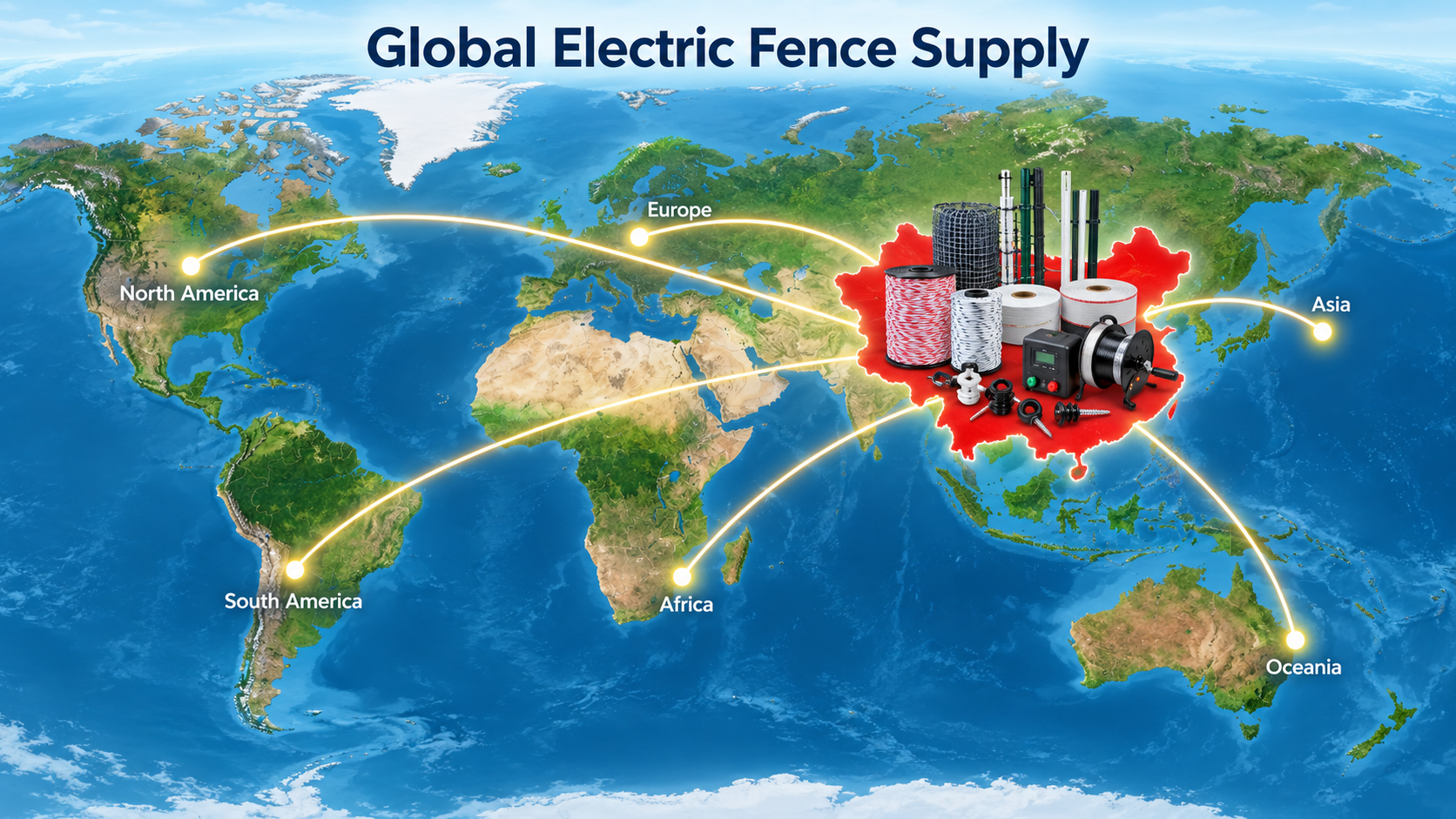
We manufacture electric fence polywire, polyrope, polytape, electric fence netting and related accessories, with different conductor configurations and product specifications available for different markets.
If you are a distributor looking to add braided electric fence rope to your product range, contact us for product specifications, samples and OEM options.